Overview
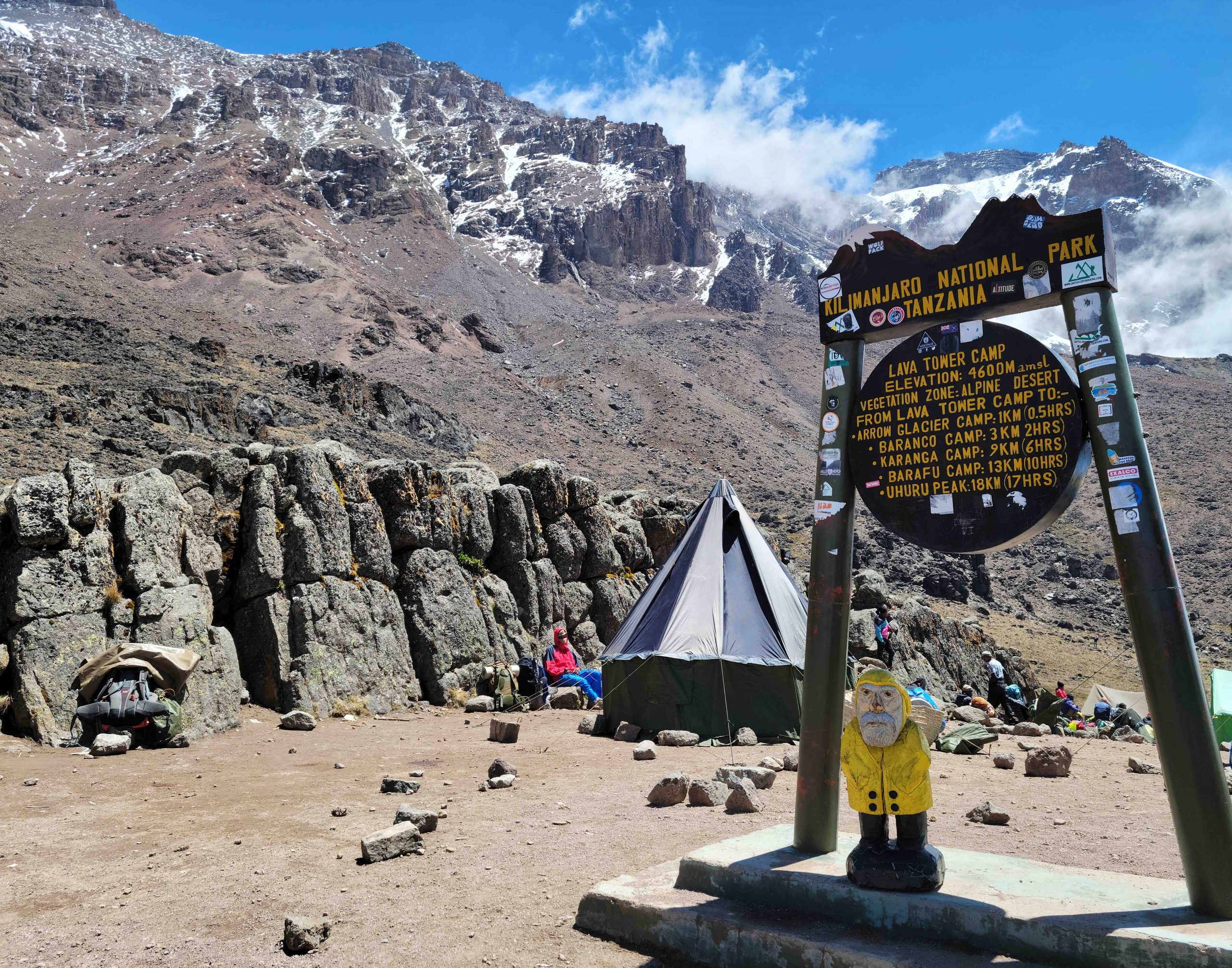
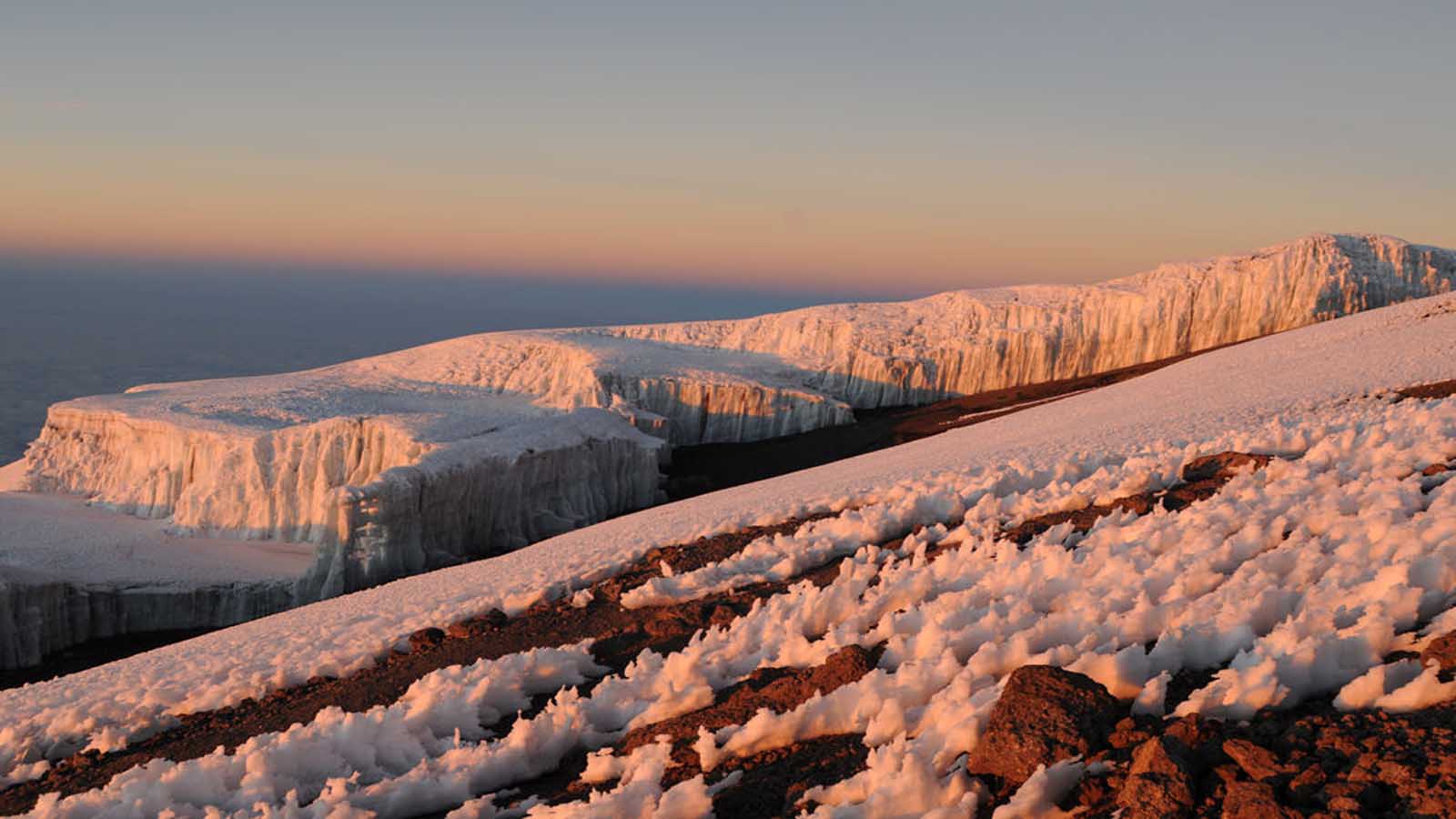
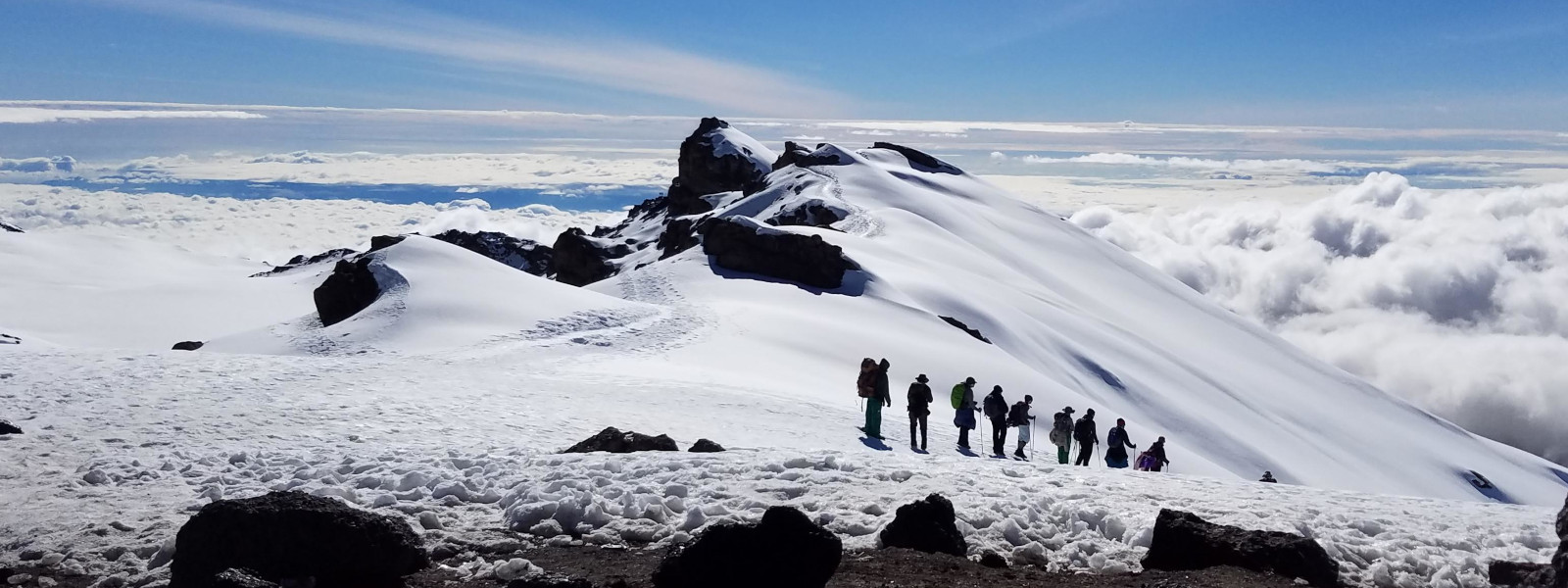
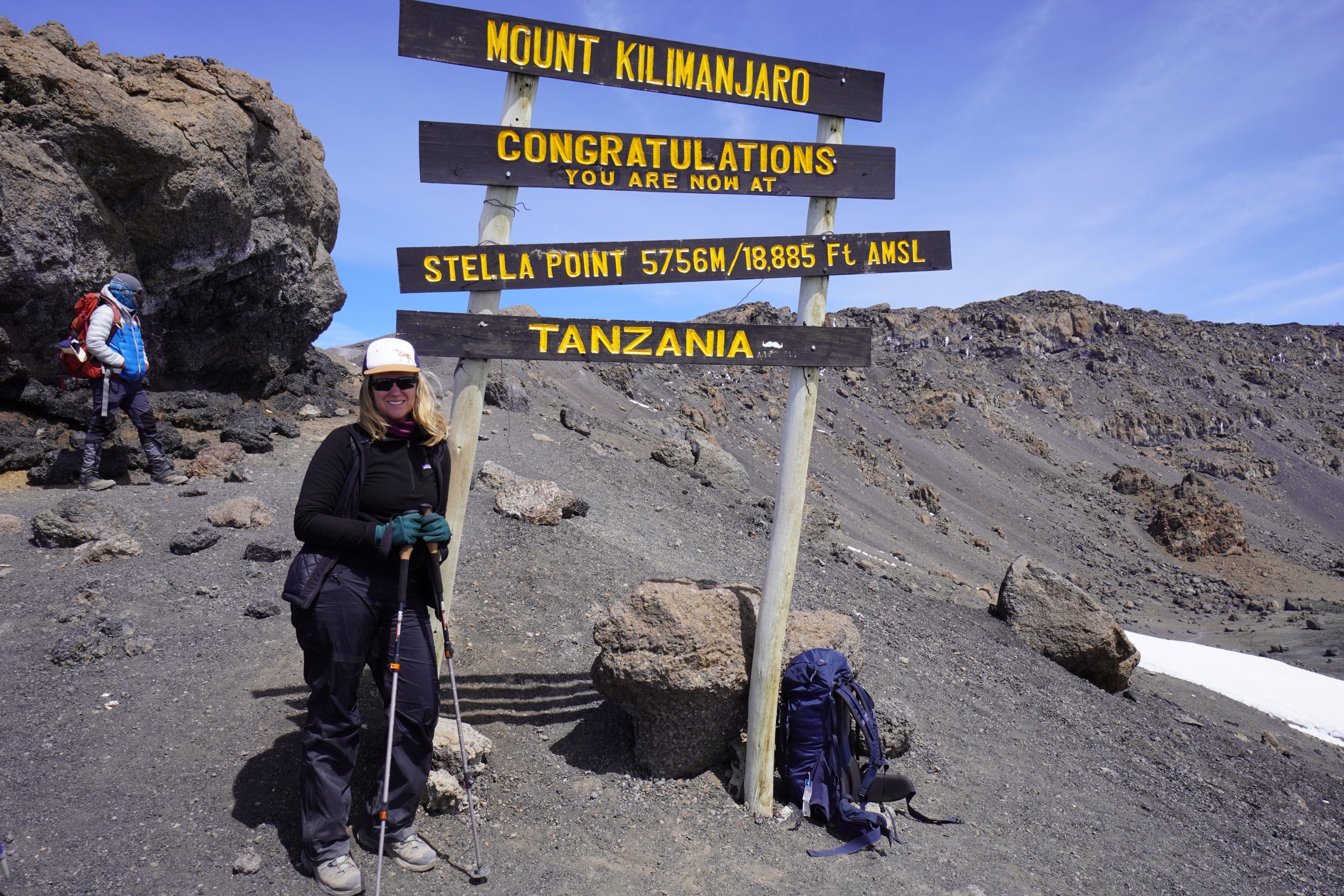
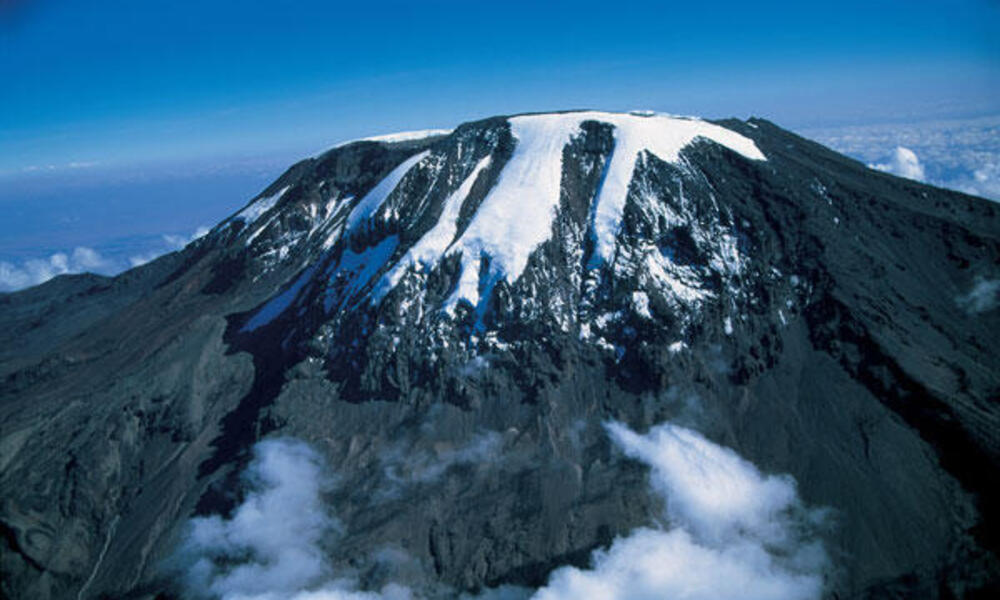
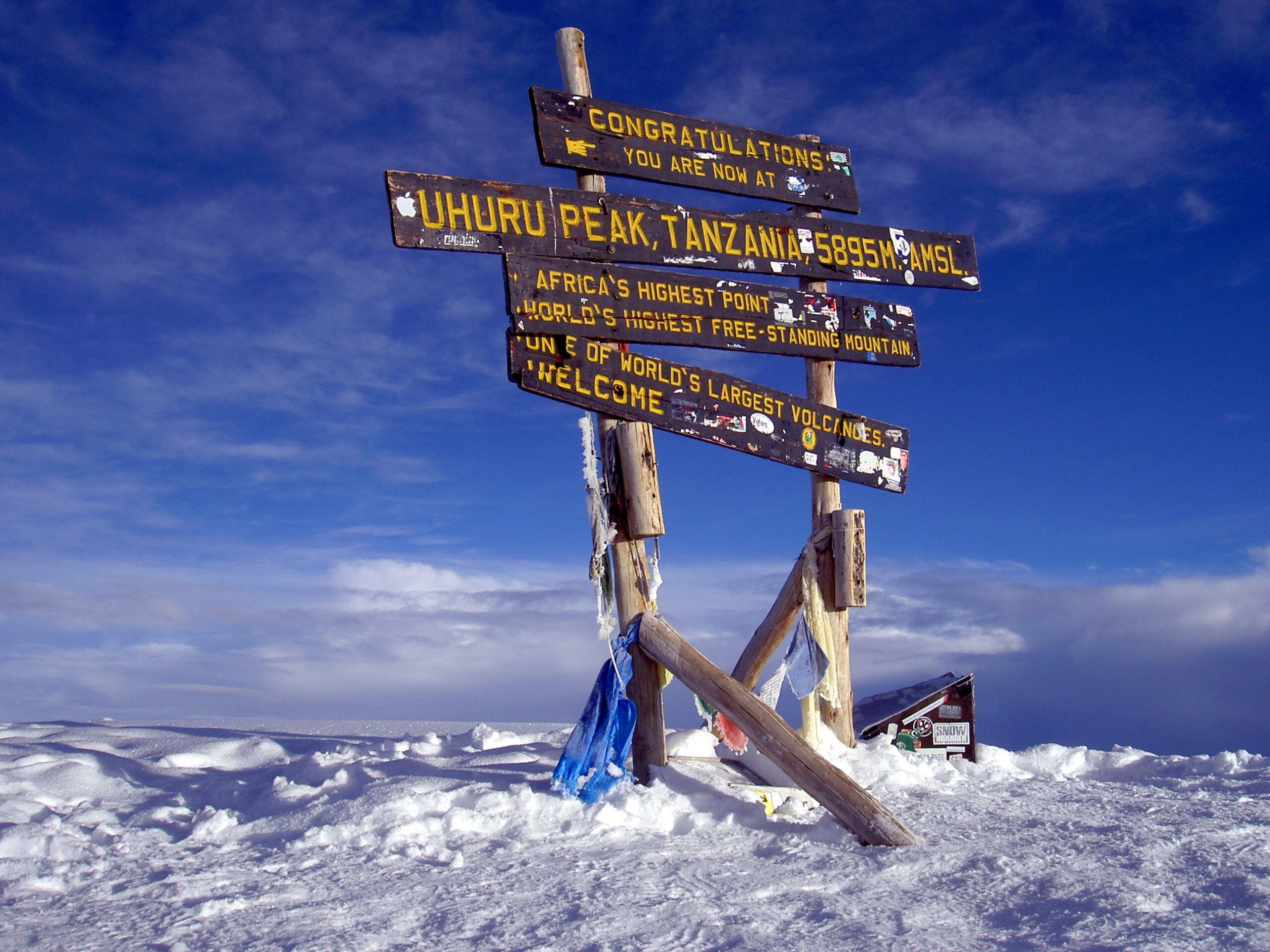
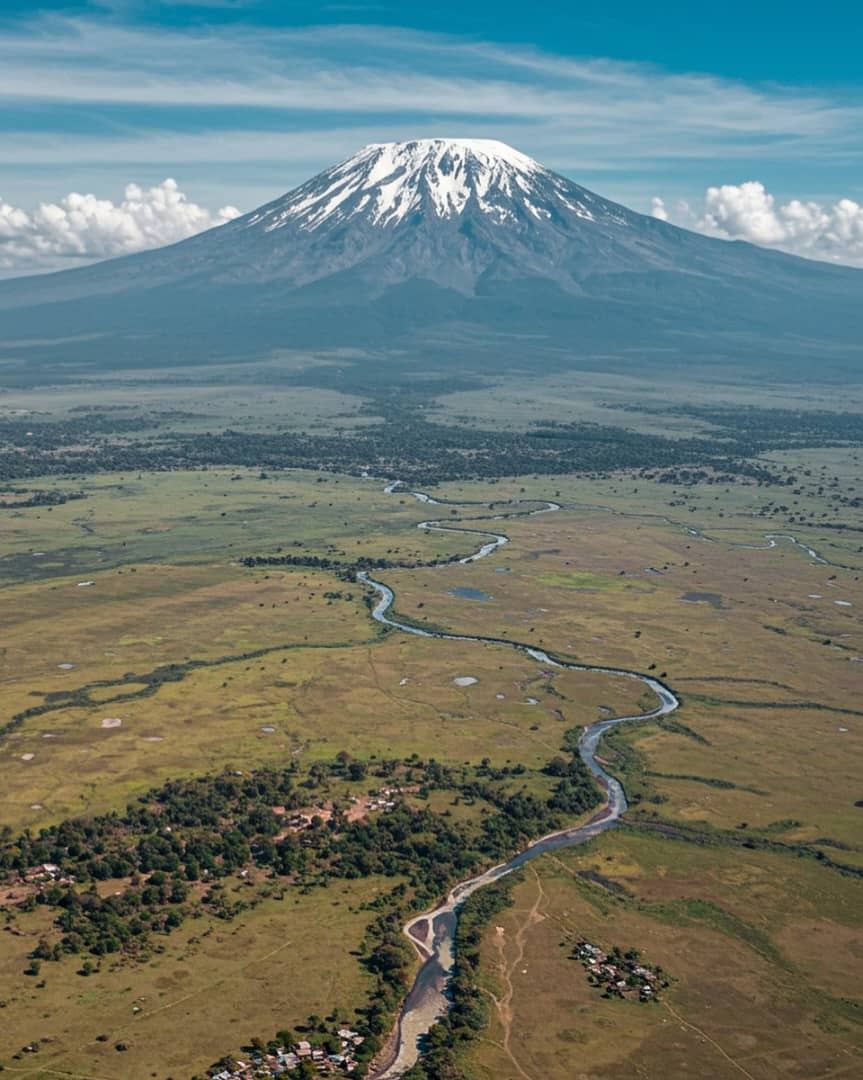
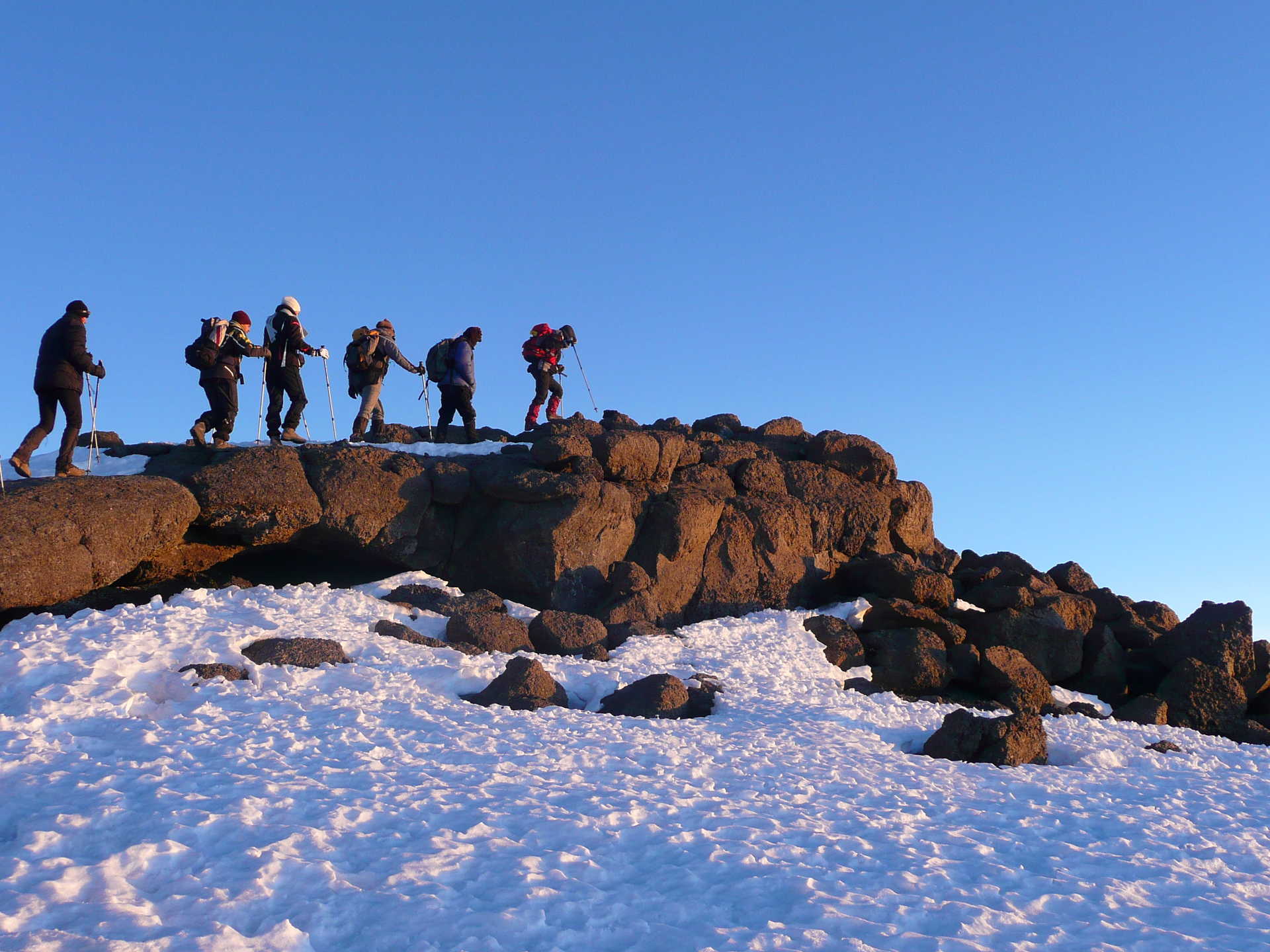
Mount Kilimanjaro, Africa’s highest peak, rises majestically at 5,895 meters above sea level in northern Tanzania. Known as the “Roof of Africa,” this dormant volcano features three volcanic cones—Kibo, Mawenzi, and Shira. Kilimanjaro offers an unforgettable adventure, attracting climbers from around the world. Its slopes host diverse ecosystems, from lush rainforests and moorlands to alpine deserts and a breathtaking snow-capped summit. Whether you seek challenge or beauty, Kilimanjaro delivers an experience of a lifetime—where nature, endurance, and culture unite in harmony at the edge of the sky.
Why Go:
Scenery:
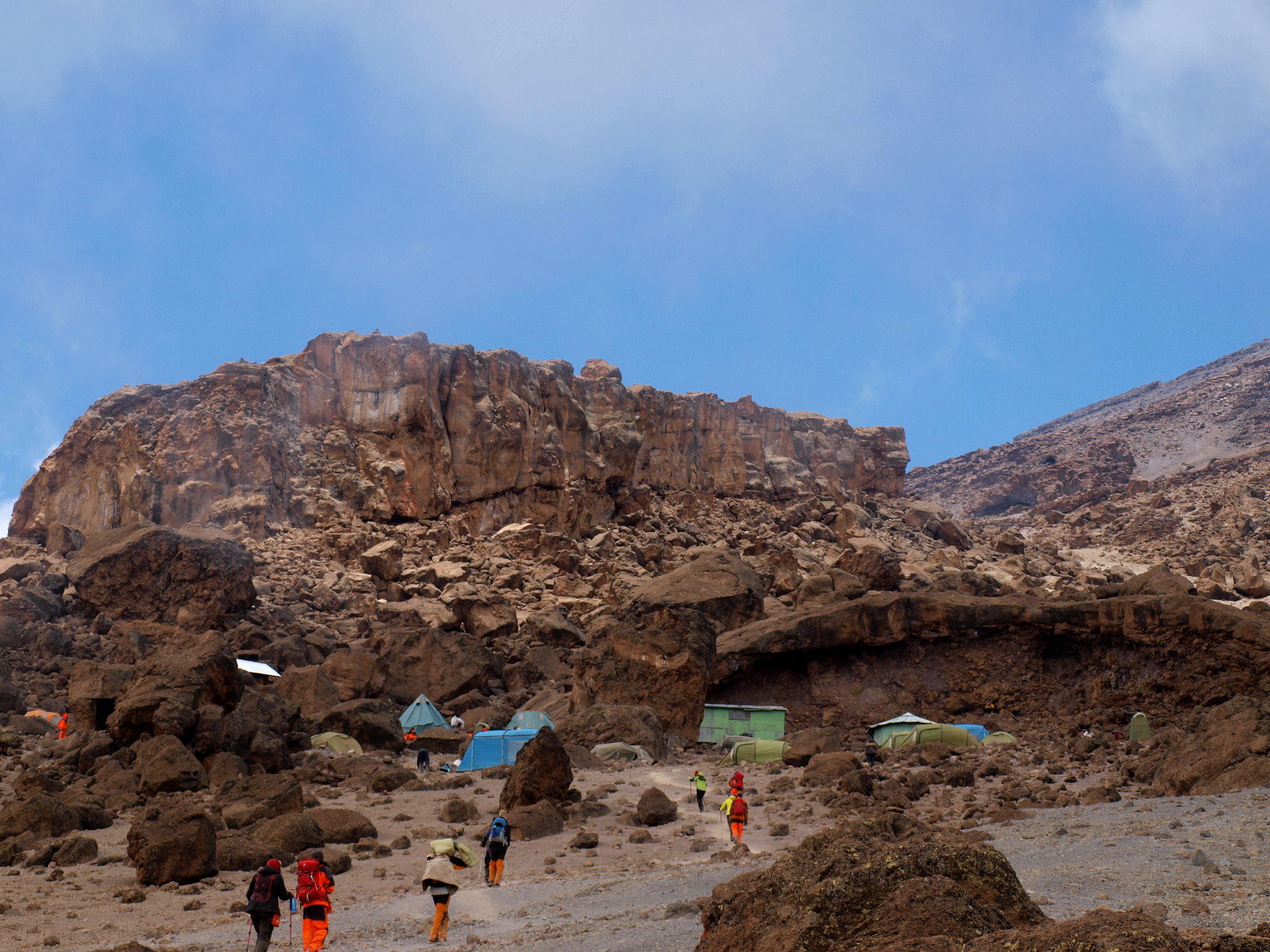
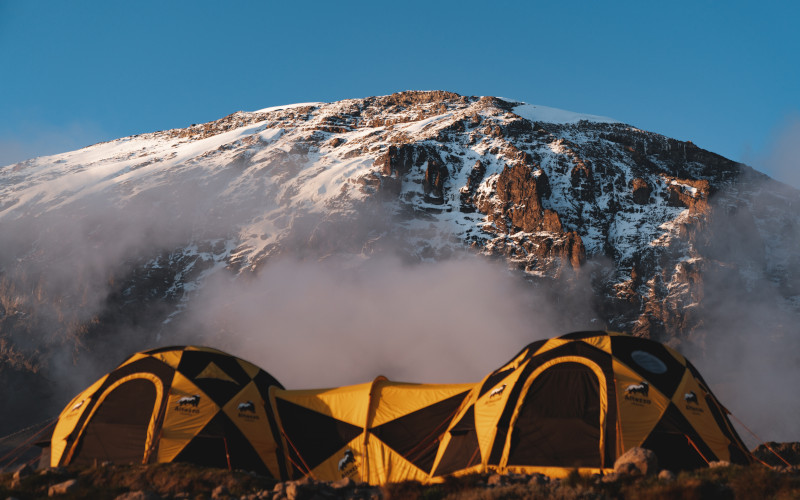
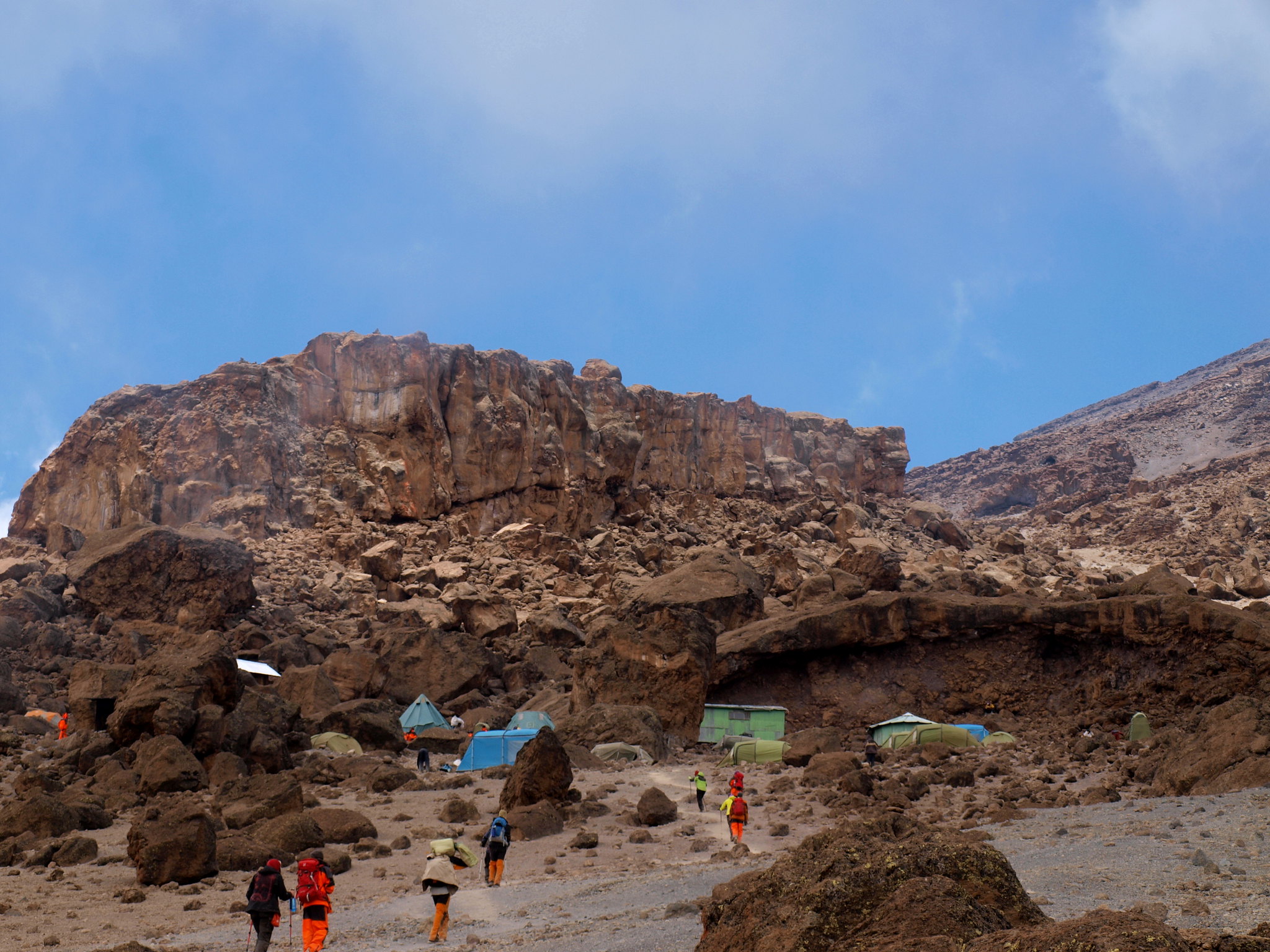
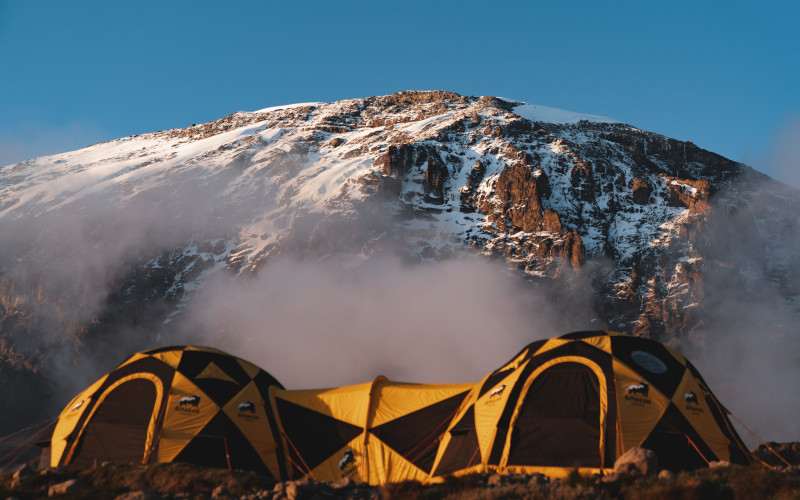
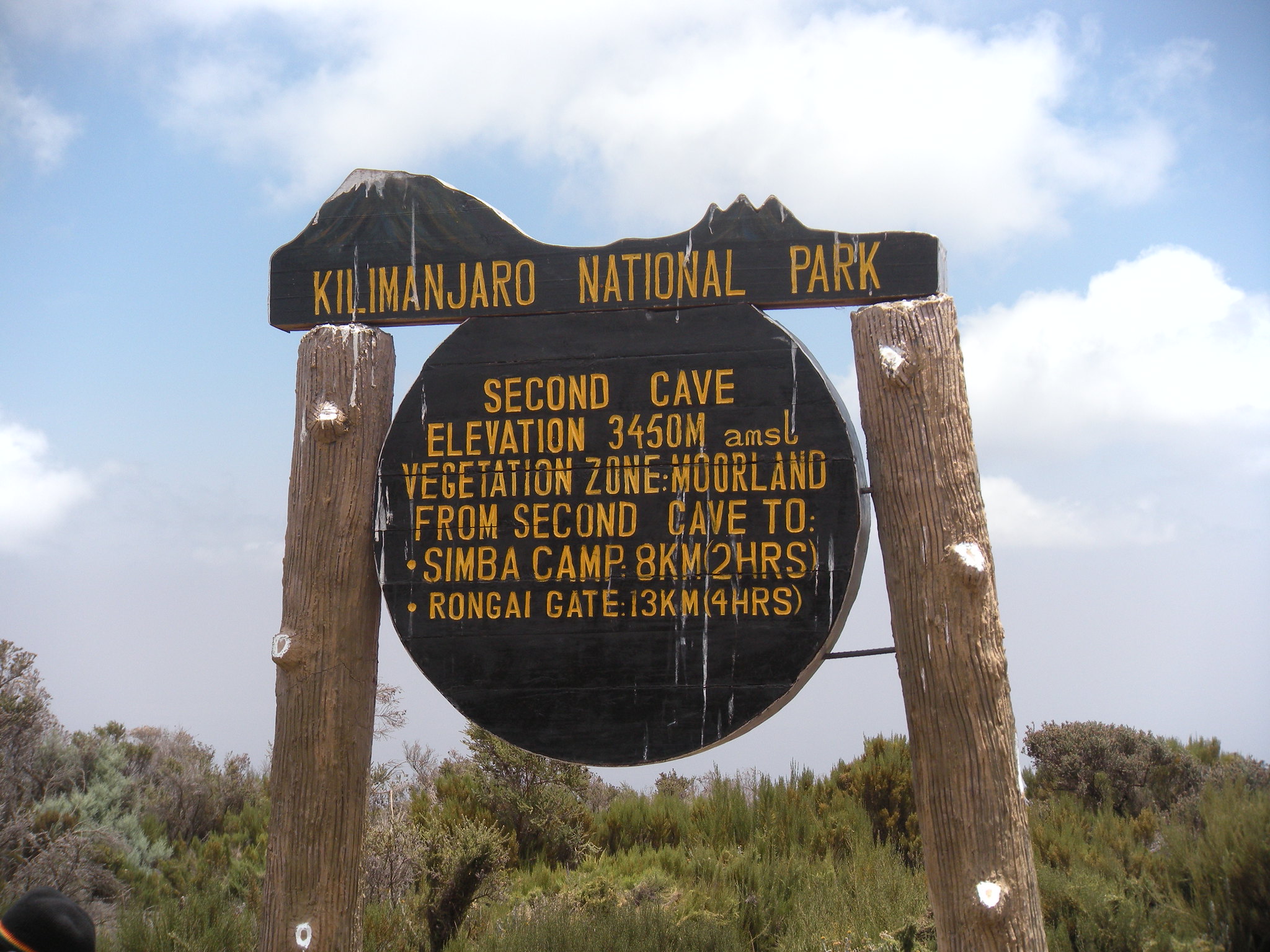
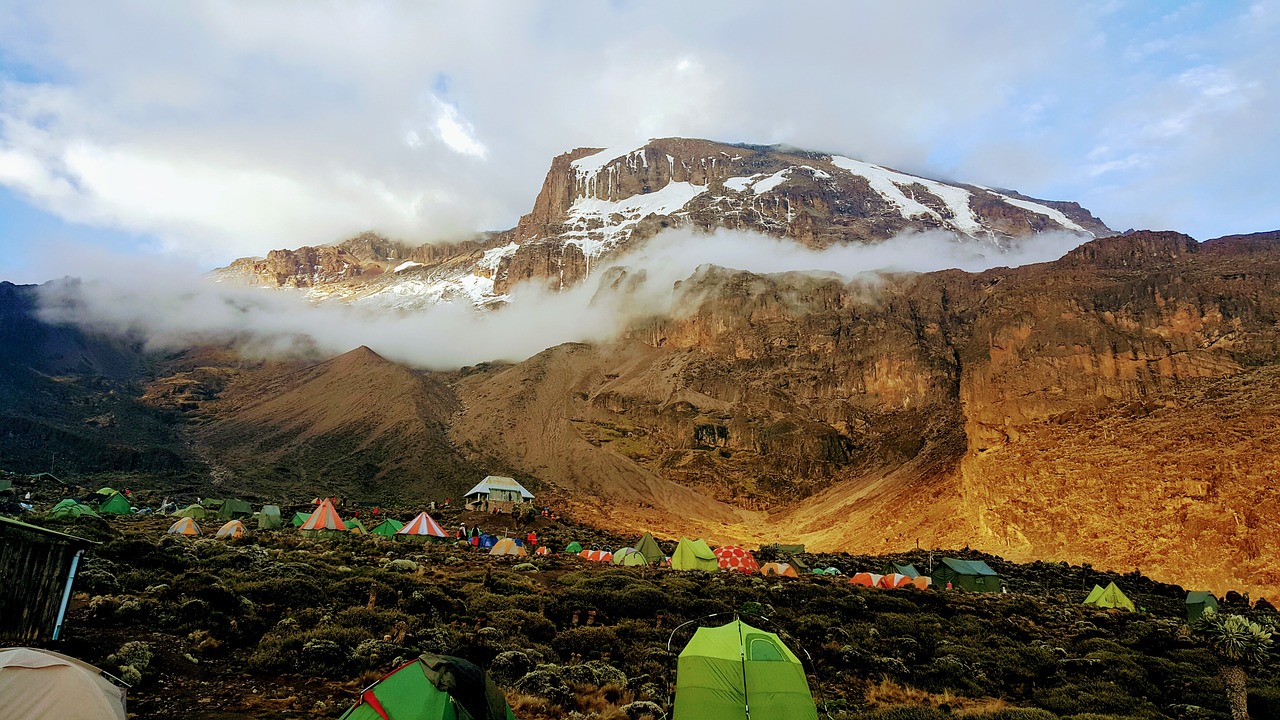
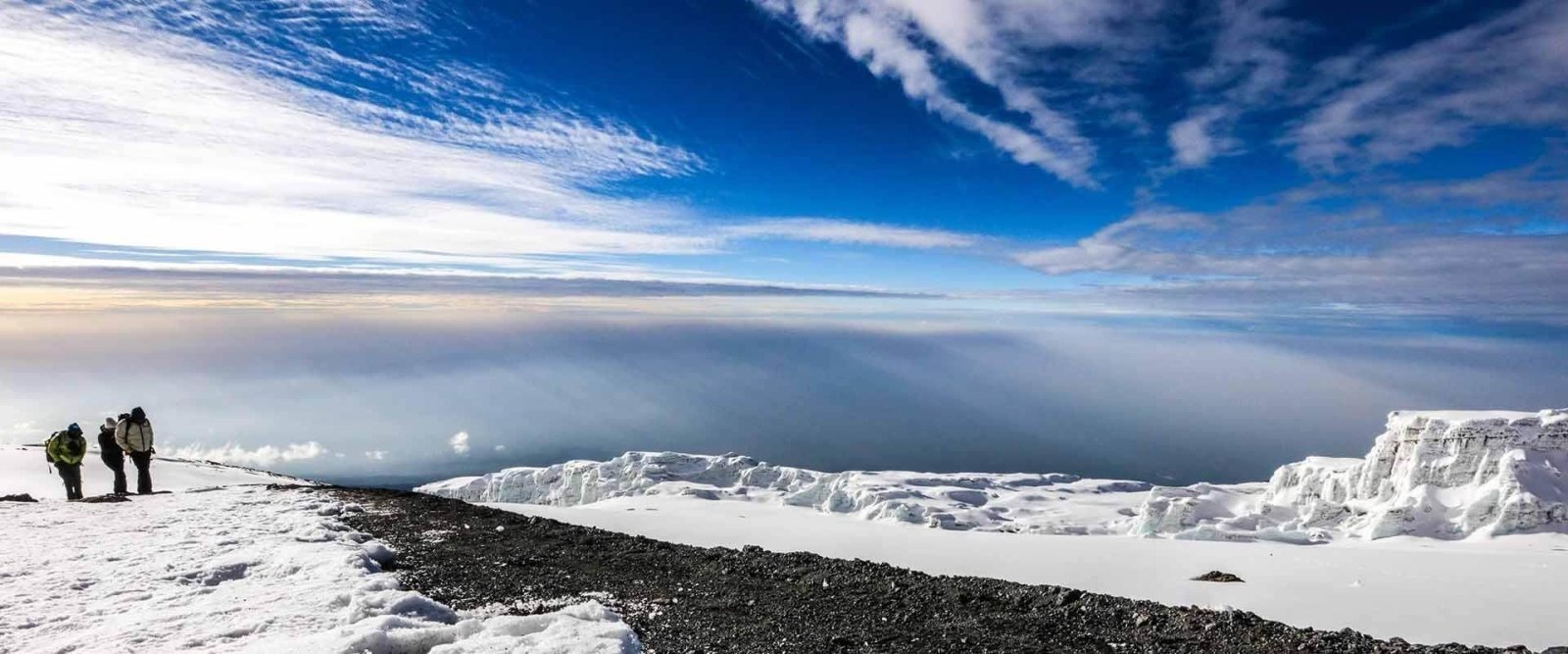
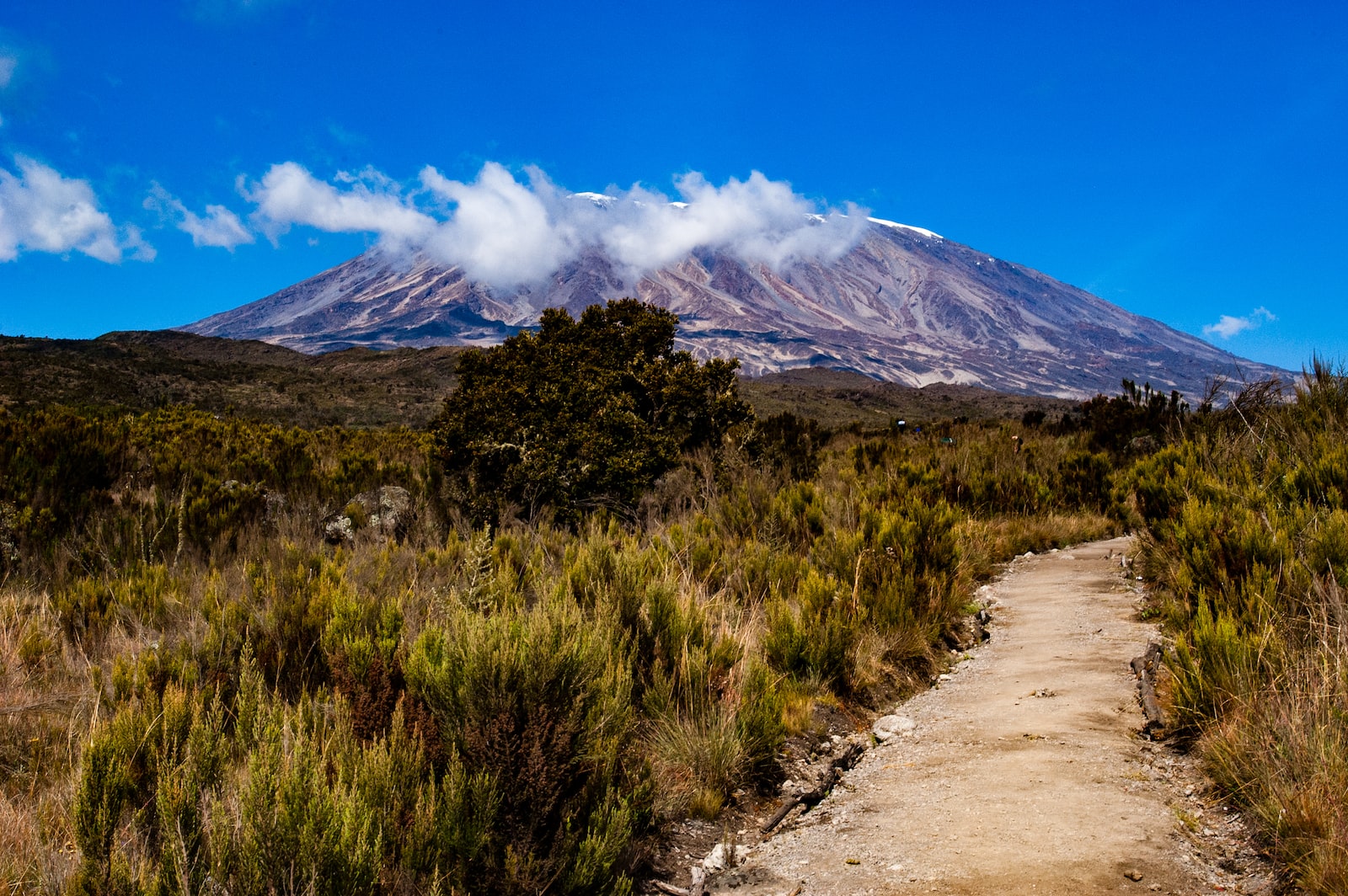
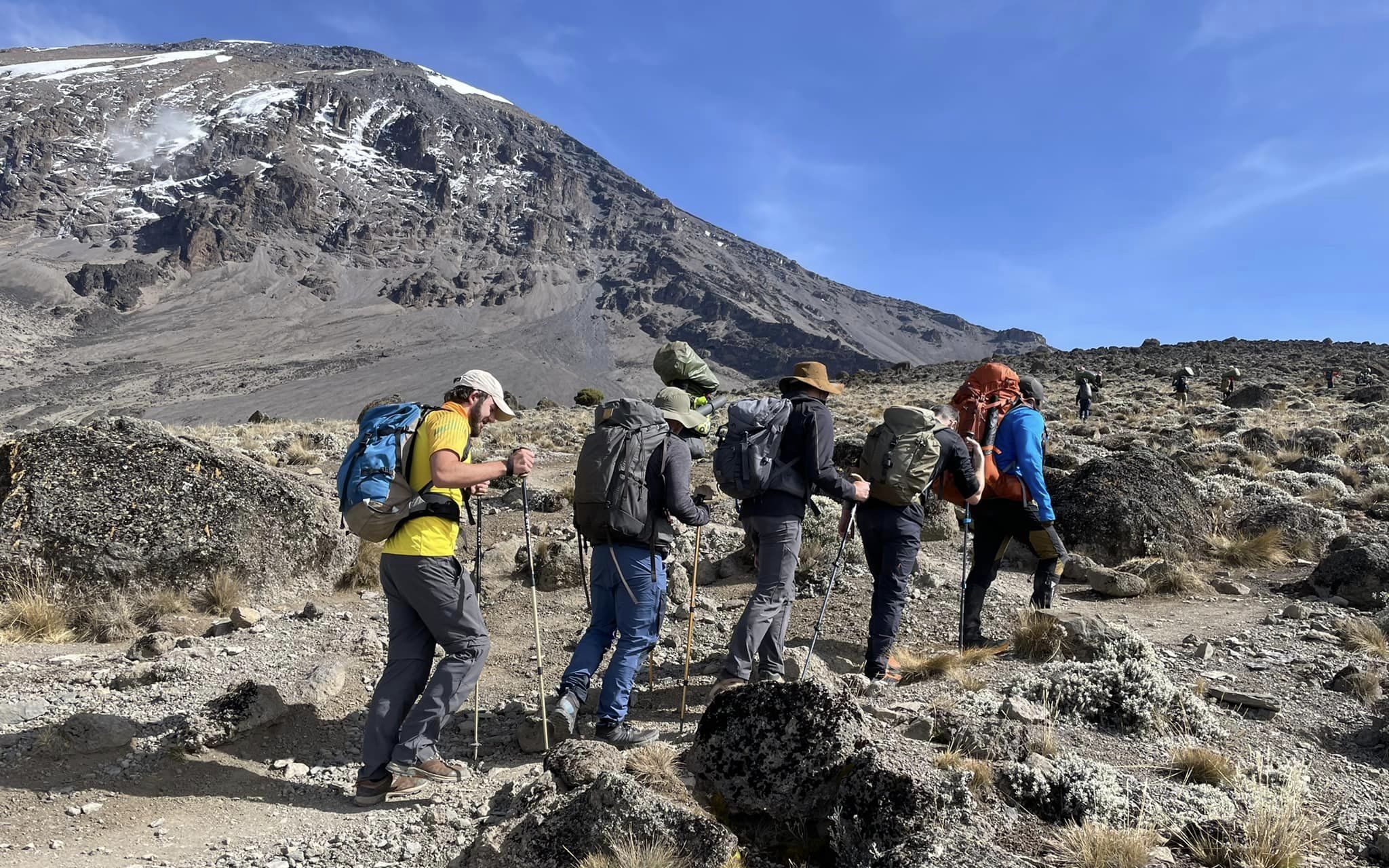
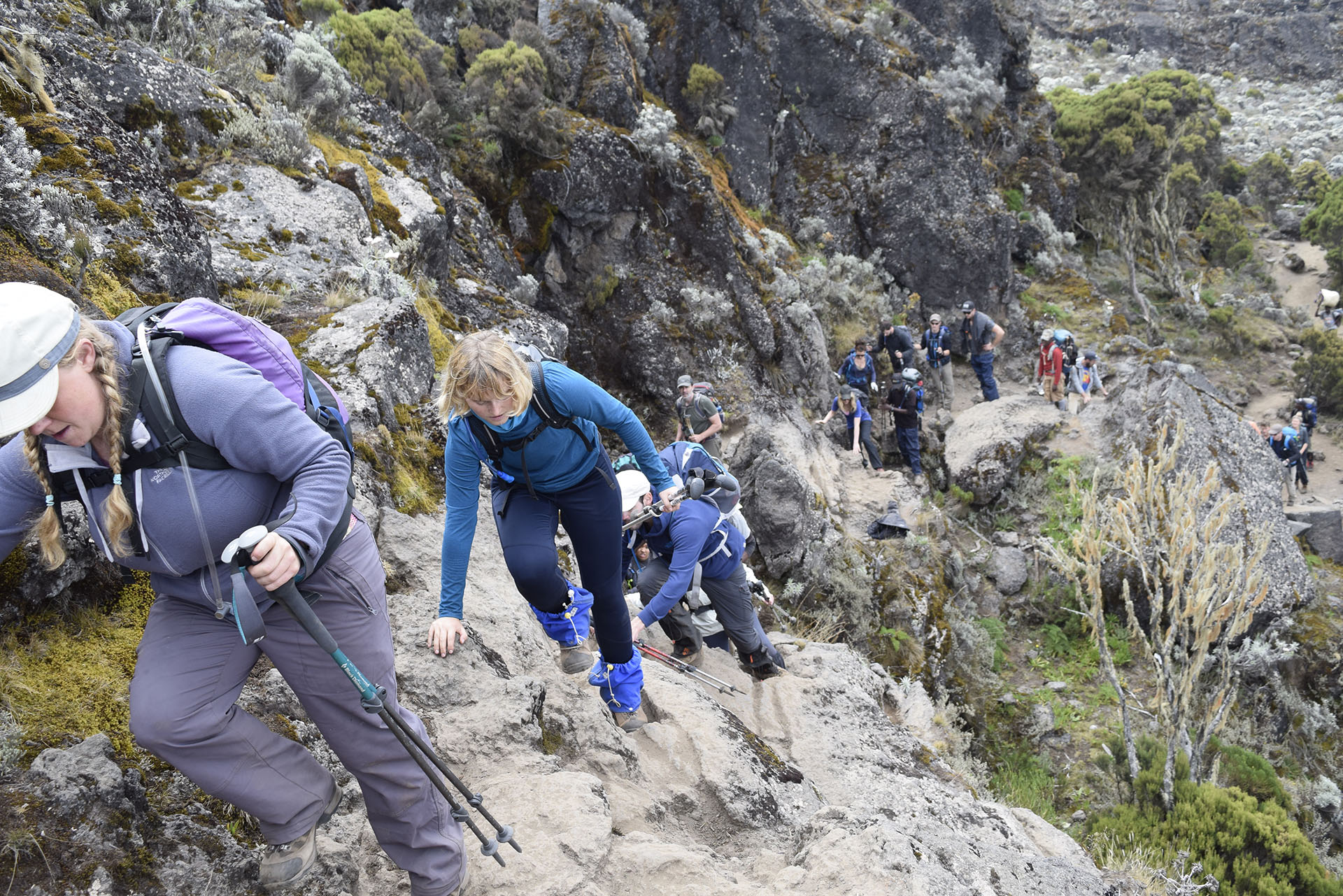
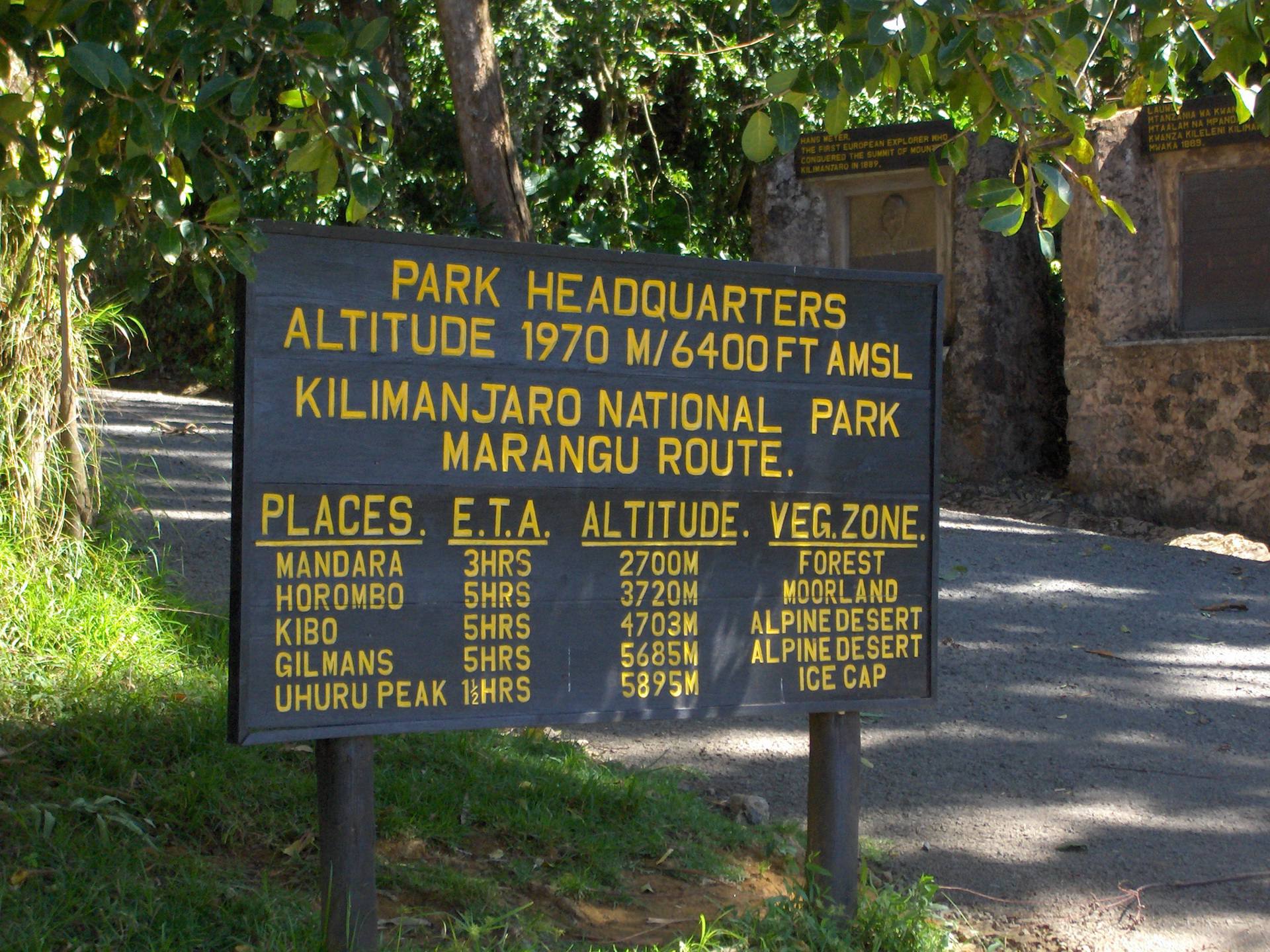
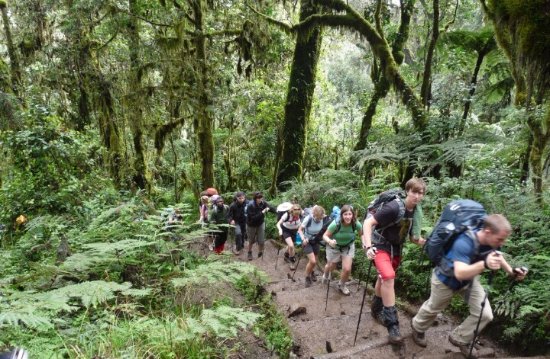
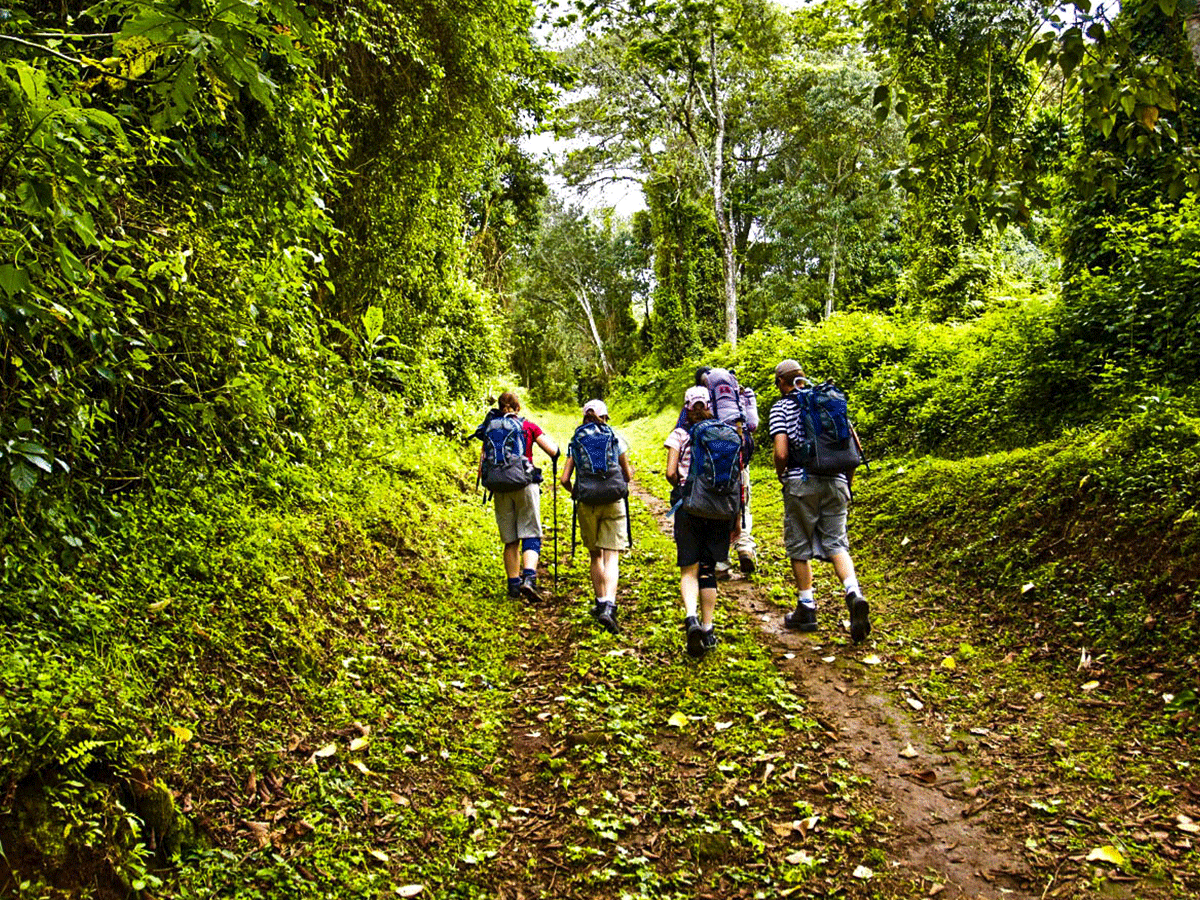
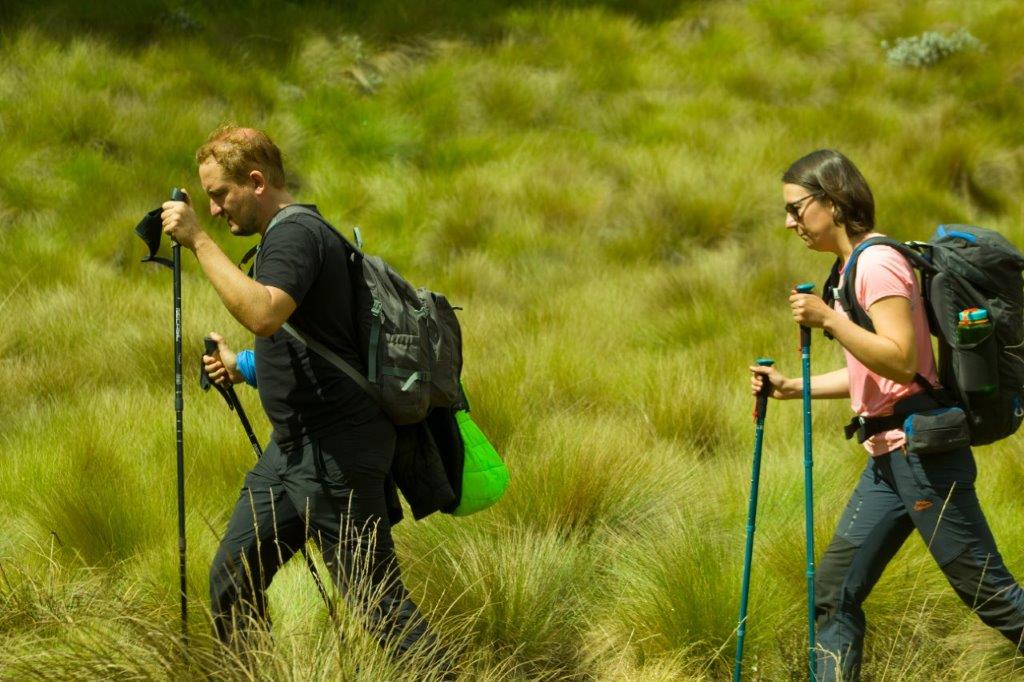
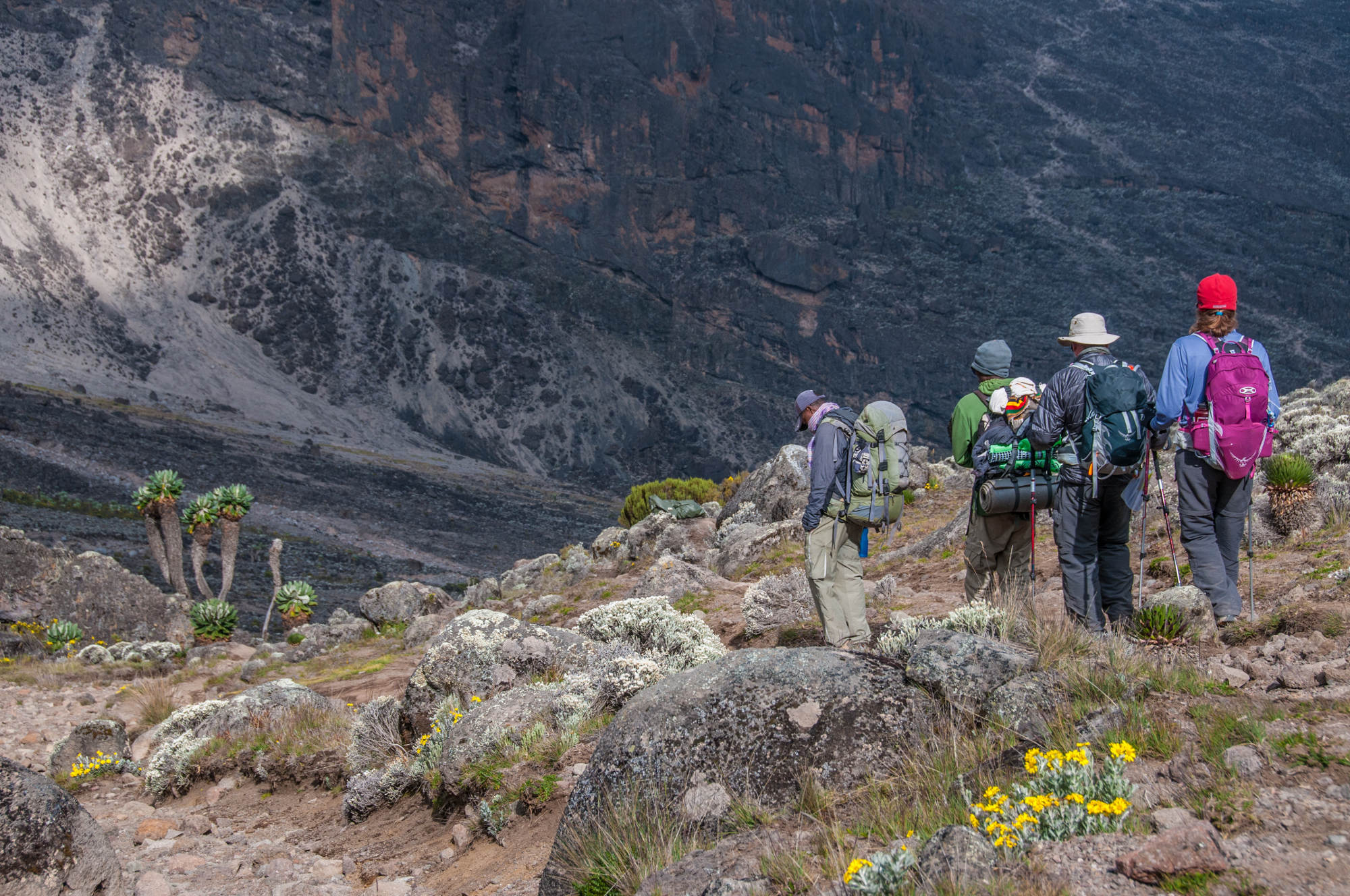
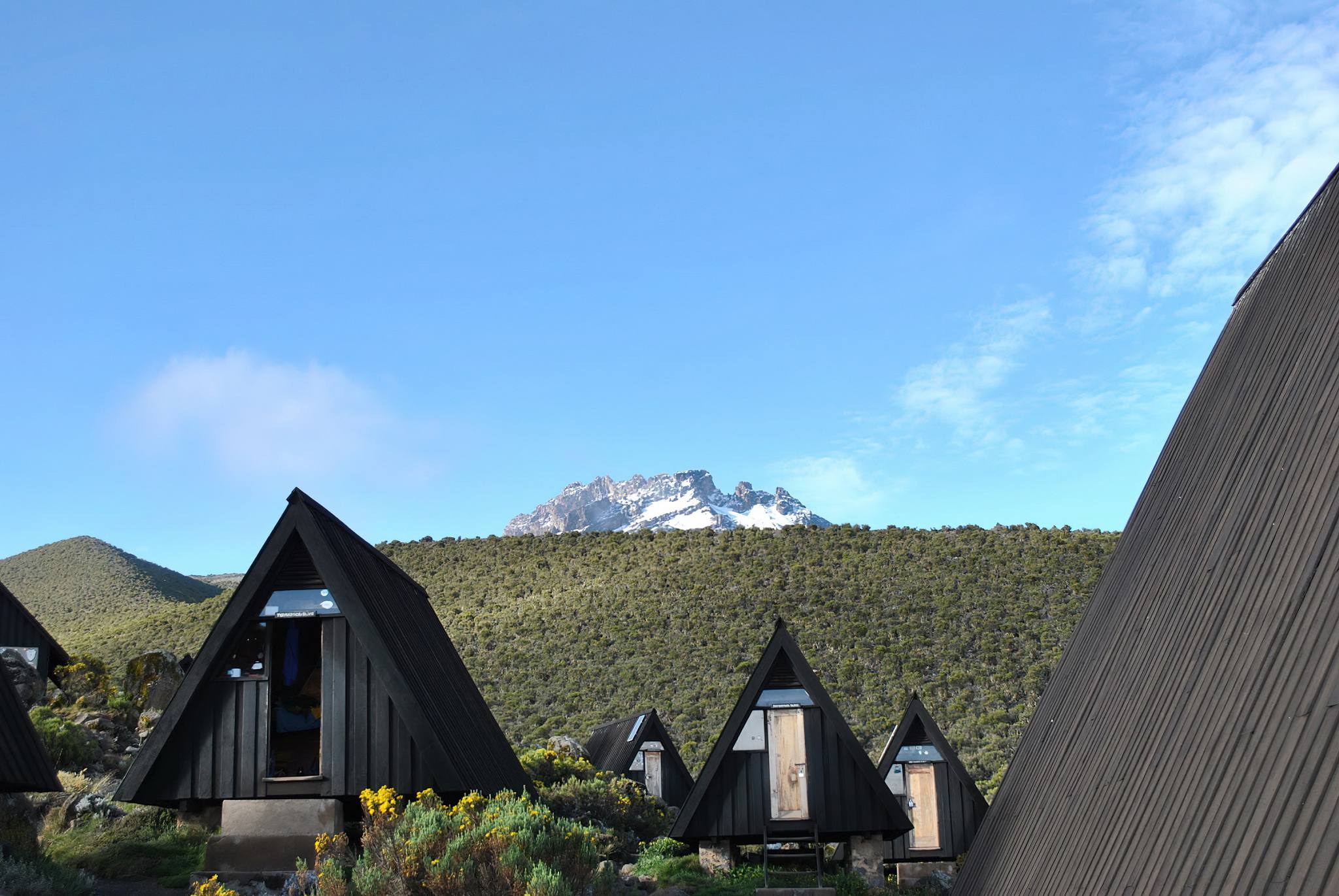
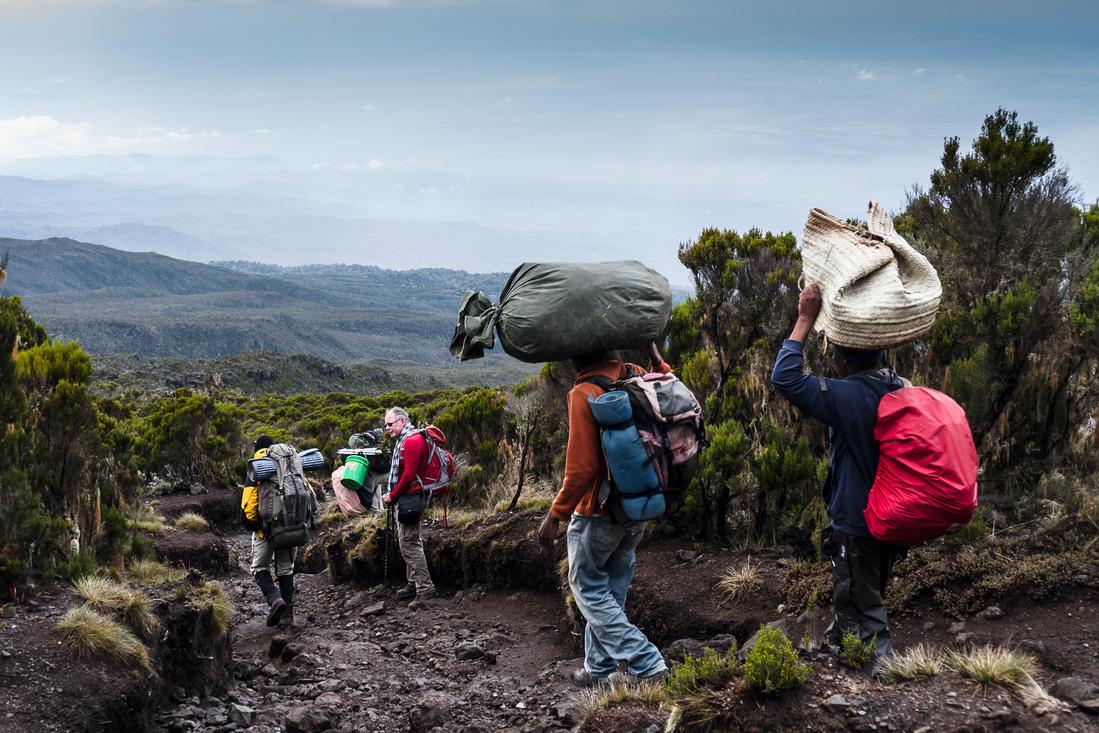
The landscape of Kilimanjaro transforms dramatically with altitude—from emerald rainforests filled with monkeys and waterfalls to vast moorlands dotted with giant lobelias, and finally, the icy summit that seems to touch the clouds. Every step offers new colors, textures, and moods—a living painting that changes with light and height.
Best Time to Visit:
The best time to climb Mount Kilimanjaro is between June and October or December to February, when skies are clear, trails are dry, and visibility is spectacular. These months offer the most stable weather conditions and breathtaking summit sunrises above the clouds.
Weather & Climate:
Kilimanjaro’s weather changes with altitude—tropical warmth at the base, cool mist in the forests, and freezing temperatures at the summit. Rainfall patterns shape its green and dry zones, creating distinct climbing seasons ideal for adventure and photography.
Best Time to Visit
The best time to climb Mount Kilimanjaro is between June and October or December to February, when skies are clear, trails are dry, and visibility is spectacular. These months offer the most stable weather conditions and breathtaking summit sunrises above the clouds.
Weather & Climate
Kilimanjaro’s weather changes with altitude—tropical warmth at the base, cool mist in the forests, and freezing temperatures at the summit. Rainfall patterns shape its green and dry zones, creating distinct climbing seasons ideal for adventure and photography.
Clear skies, low humidity, and perfect trekking conditions.
Frequent rain, lush greenery, but slippery and muddy trails.