Overview
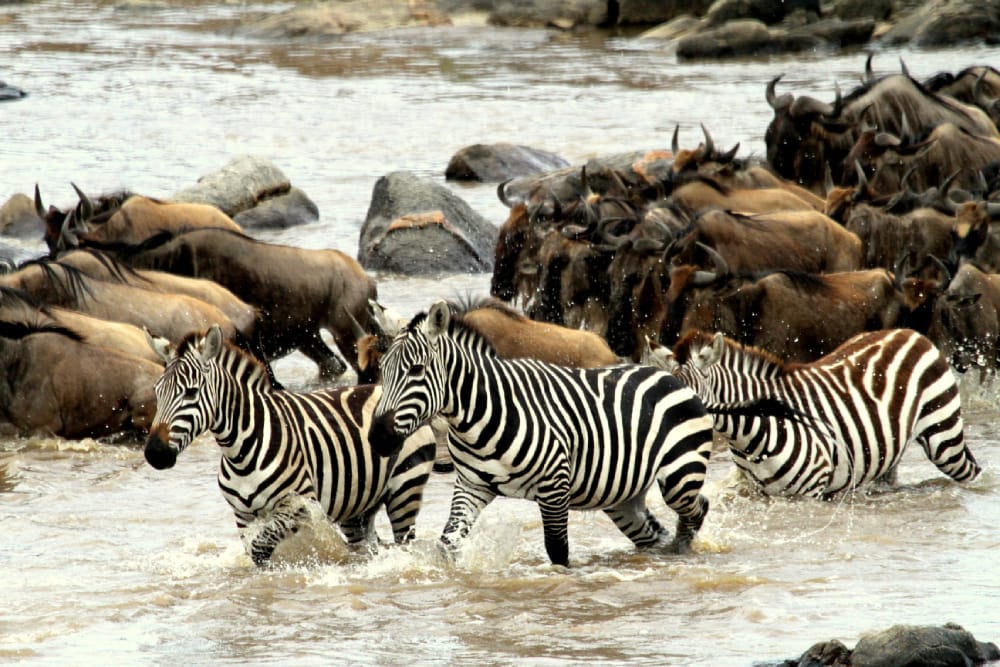
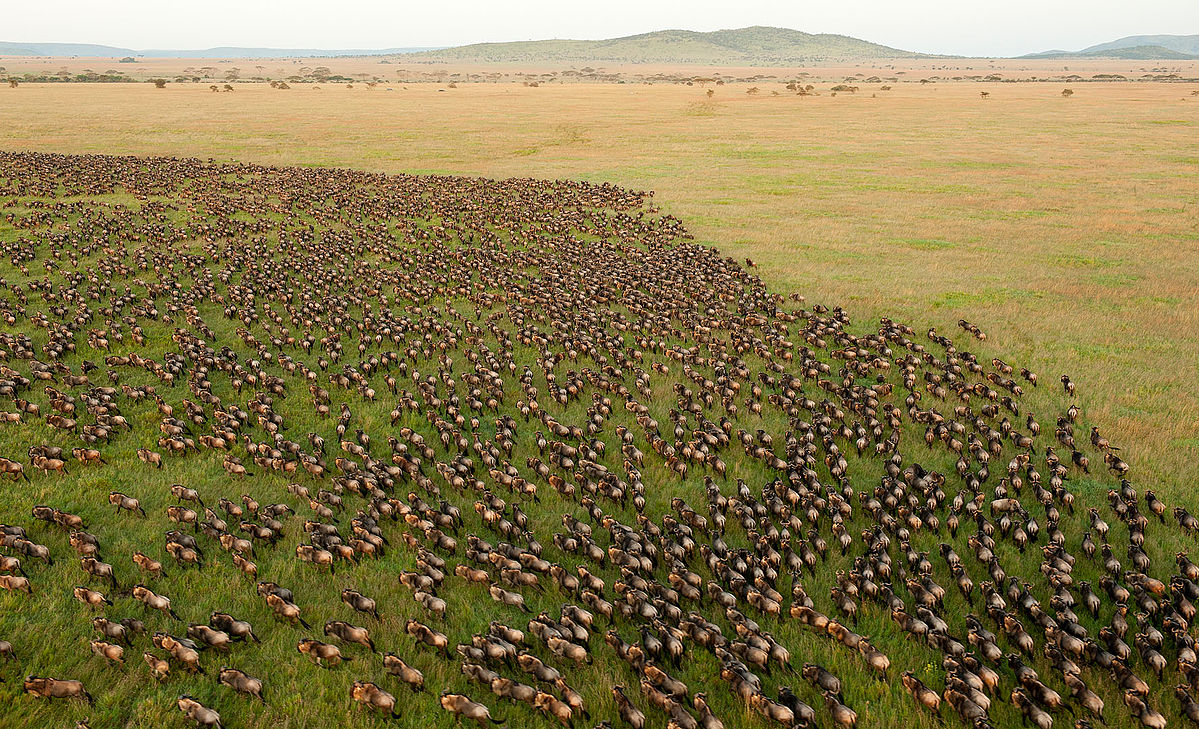
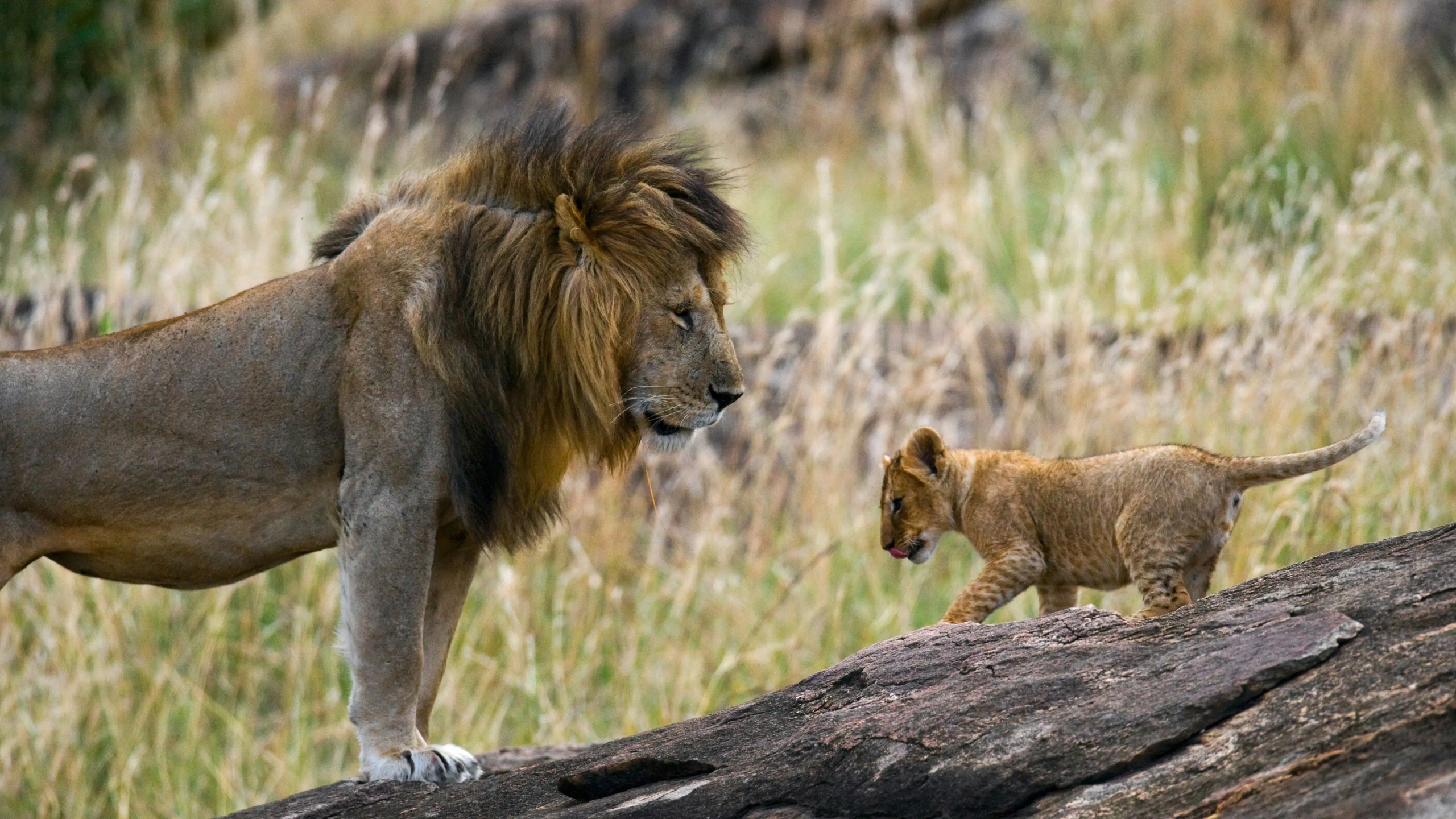
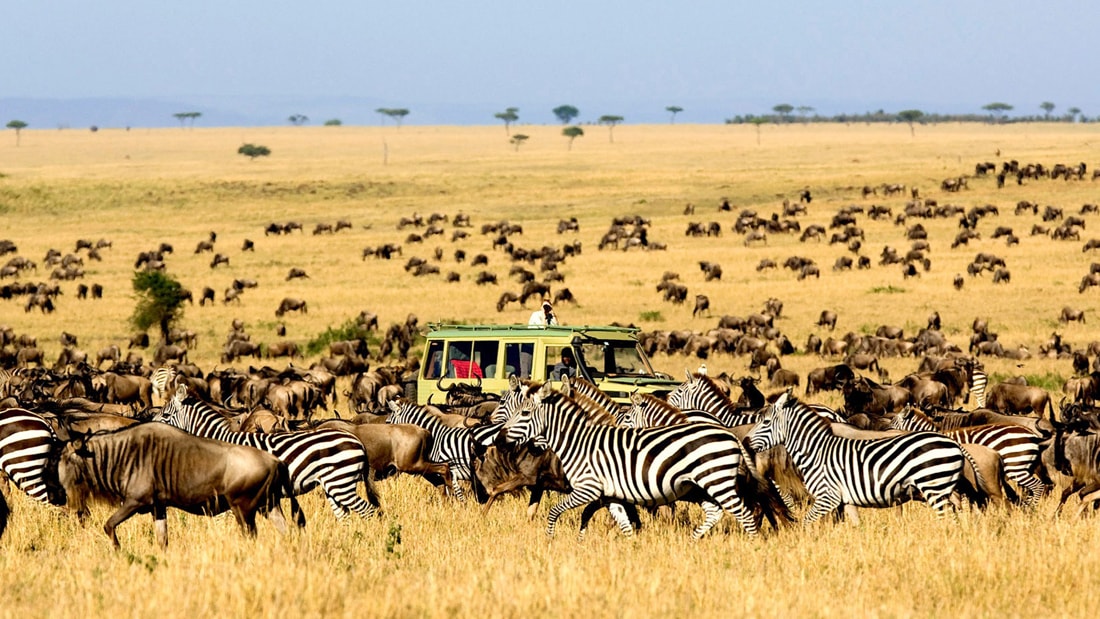
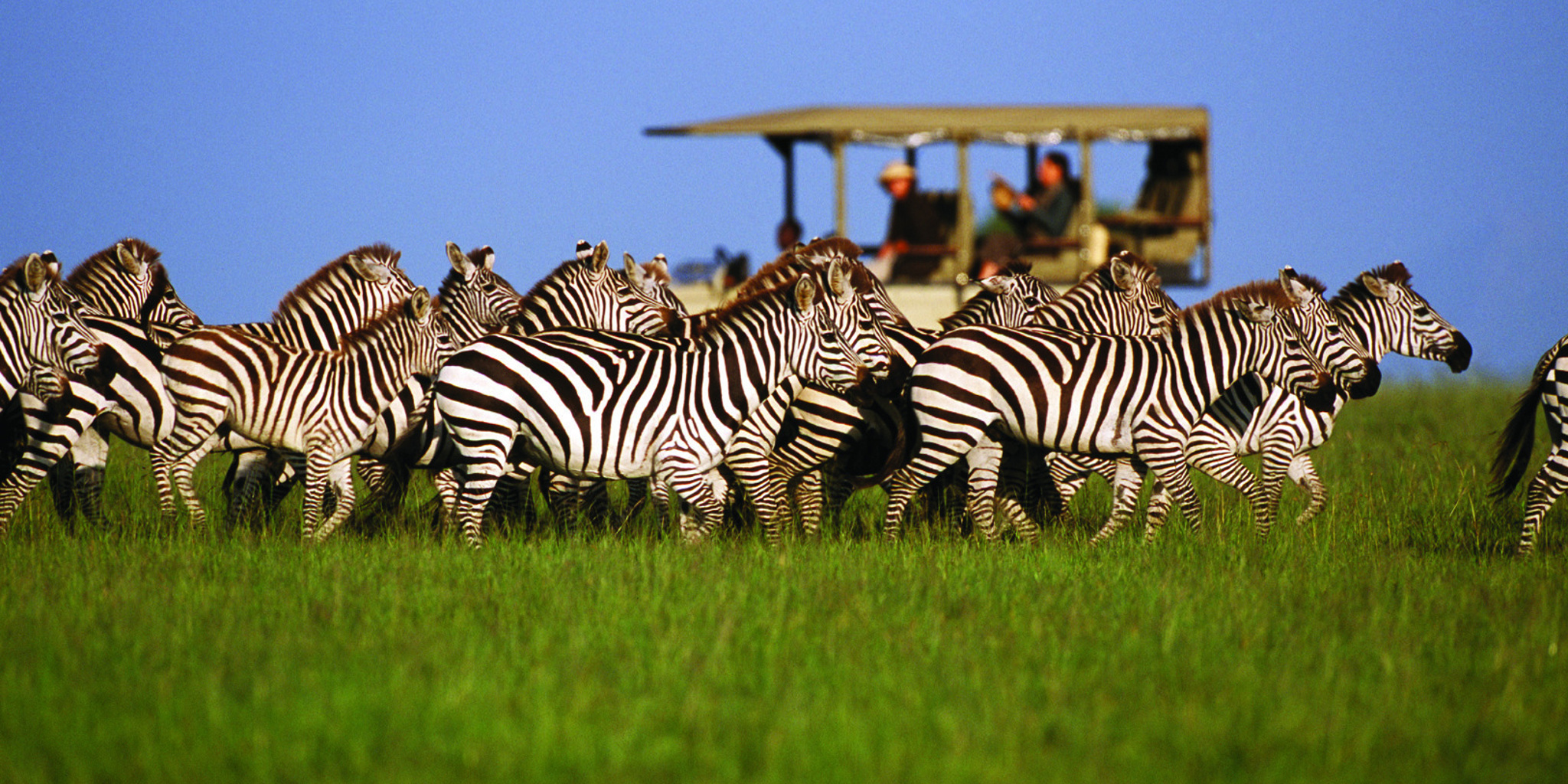
The focus of most safaris in northern Tanzania, Serengeti National Park is renowned as the arena for the world’s greatest mammal migration. Even away from this iconic wildlife spectacle, the Serengeti’s sheer density of animals makes for incredible wildlife viewing throughout the year. The southern plains near Seronera are the most popular, but it’s also worth exploring the Western Corridor and Mara River regions.
Why Go:
Scenery:
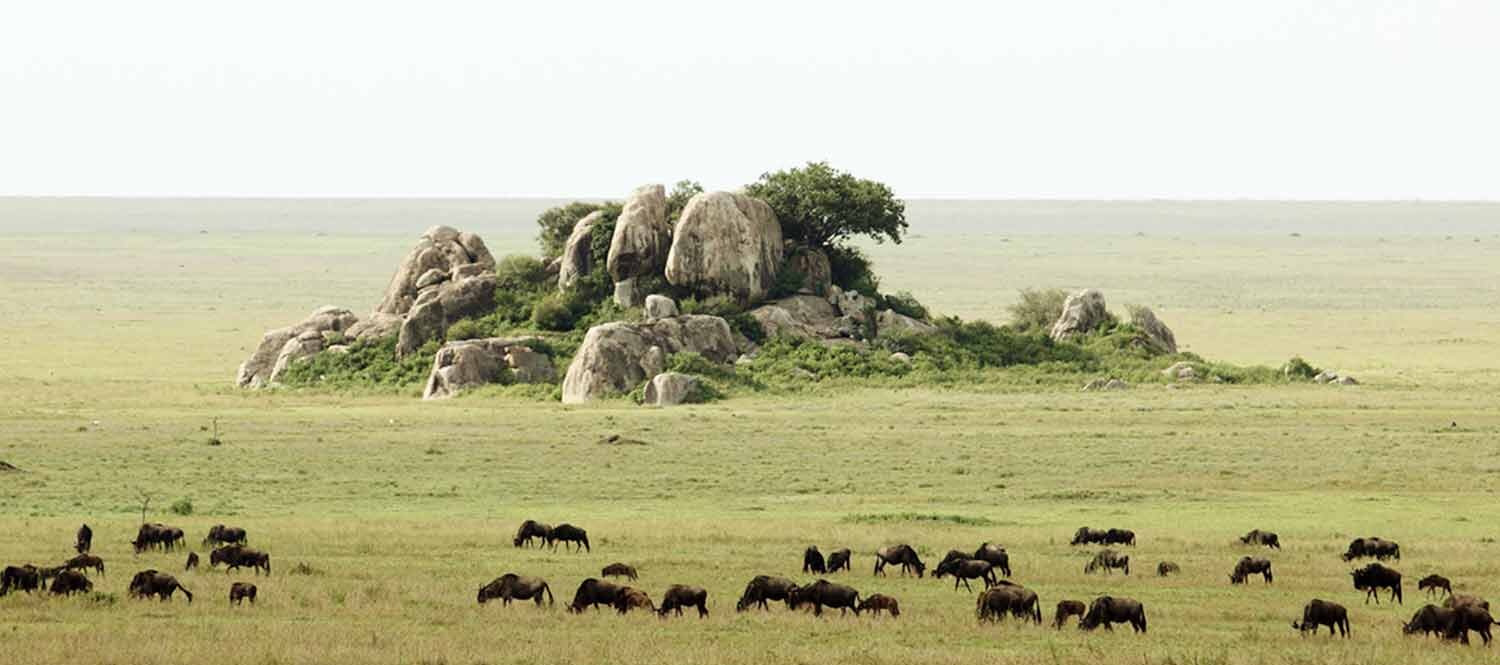
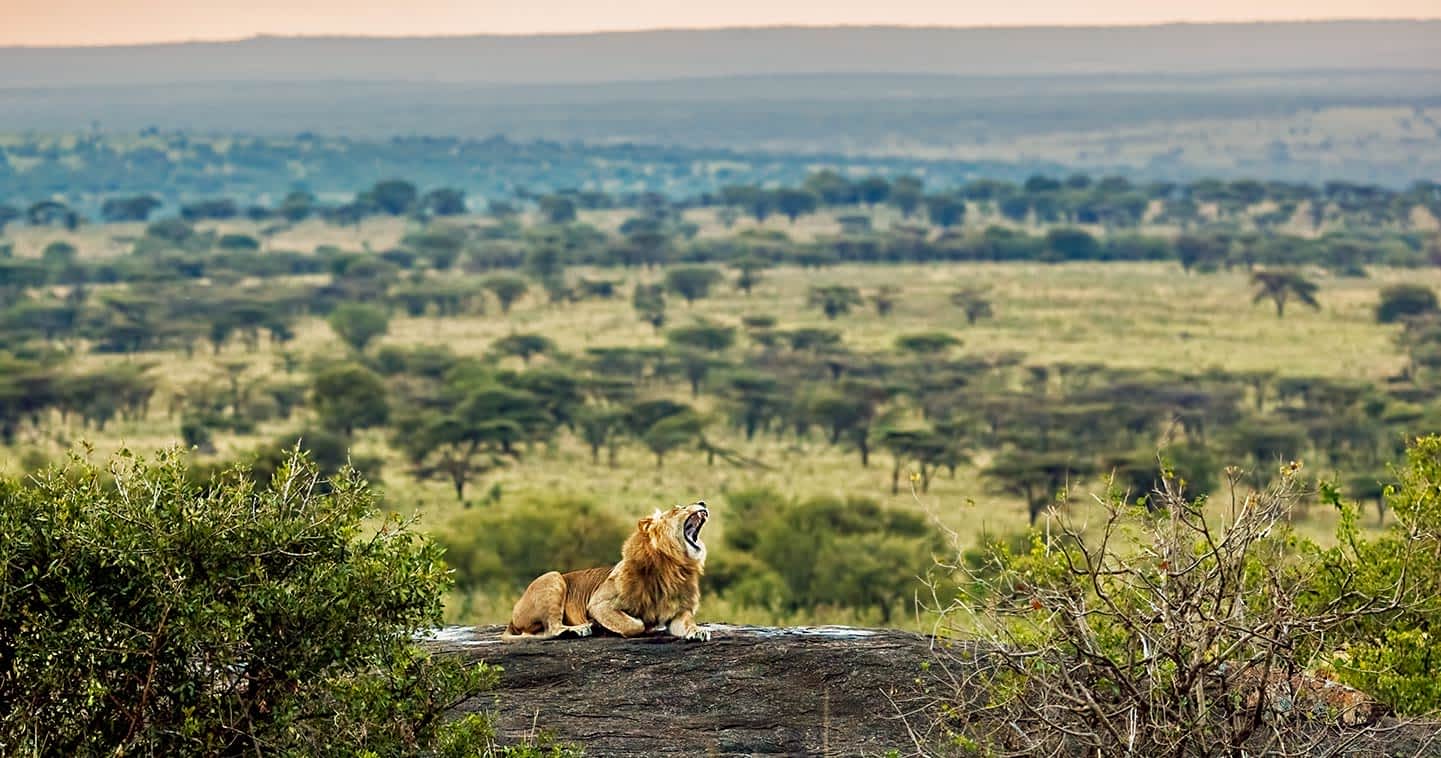
The Serengeti offers endless golden plains dotted with acacia trees, winding rivers, kopjes (rocky outcrops), and lush forests in some areas. Sunrise and sunset bathe the landscape in warm hues, creating picture-perfect panoramas. The vastness of the park makes wildlife encounters feel intimate yet expansive, with open horizons that stretch to the sky.
Best Time to Visit:
The dry season, from June to October, is ideal for wildlife viewing as animals gather around water sources and vegetation is sparse. For migration watchers, December to July offers spectacular river crossings and calving events, providing dramatic wildlife experiences.
Weather & Climate:
Serengeti experiences a tropical savannah climate with distinct wet and dry seasons. Temperatures are generally warm year-round. Rainfall occurs mainly in two rainy seasons, influencing wildlife movement and scenery. The dry season brings clear skies and easy wildlife spotting, while the wet season transforms the plains into lush green landscapes.
Best Time to Visit
The dry season, from June to October, is ideal for wildlife viewing as animals gather around water sources and vegetation is sparse. For migration watchers, December to July offers spectacular river crossings and calving events, providing dramatic wildlife experiences.
Weather & Climate
Serengeti experiences a tropical savannah climate with distinct wet and dry seasons. Temperatures are generally warm year-round. Rainfall occurs mainly in two rainy seasons, influencing wildlife movement and scenery. The dry season brings clear skies and easy wildlife spotting, while the wet season transforms the plains into lush green landscapes.
Clear skies, excellent wildlife viewing
Lush green landscapes, fewer wildlife sightings