
Tanzania is a land of stunning landscapes, diverse wildlife, and rich cultural heritage welcomes travelers all year round. But knowing when to go can make a world of difference to your experience.
Whether you’re planning a safari, a beach escape, or a mountain trek, understanding Tanzania’s climate and tourist seasons will help you choose the perfect time to visit.
Understanding Tanzania’s Climate
Tanzania enjoys a tropical climate with two main seasons the dry season and the wet season each offering unique travel experiences.
Dry Season (June – October)
The dry season brings clear skies, sunny days, and cool nights, making it the most popular time to visit.
Why go: Excellent for safaris, trekking, and beach holidays.
Wildlife: Animals gather around waterholes, making them easier to spot.
Weather: Warm days (25–30°C) and pleasant evenings perfect for outdoor adventures.
Wet Season (November – May)
Also called the green season, this period transforms Tanzania into a lush paradise.
Why go: Ideal for birdwatching and photography, with vibrant scenery and fewer tourists.
Weather: Intermittent showers, especially from March to May.
Highlight: Witness parts of the Great Wildebeest Migration in the Serengeti.
Tourist Seasons in Tanzania
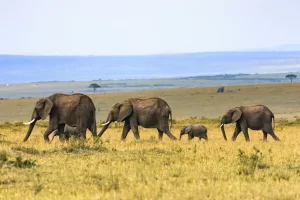
High Season (July – September)
Coinciding with the dry season, this is the busiest and most expensive time to travel. National parks, Zanzibar beaches, and Kilimanjaro routes are lively with visitors.
Tip: Book safaris and accommodations early to secure your preferred options.
Low Season (March – May)
During the heavy rains, fewer tourists visit, creating a quieter and more budget-friendly experience.
Tip: Perfect for travelers seeking solitude, discounts, and lush green landscapes.
Best Time to Visit Tanzania for Safari
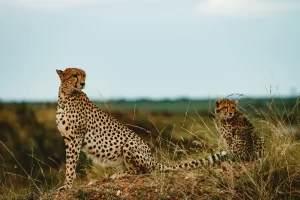
Dry Season (June – October):
The classic safari period perfect for spotting the Big Five and enjoying comfortable game drives in parks like Serengeti, Ngorongoro, and Tarangire.
Wet Season (November – May):
While roads can be muddy, this period offers dramatic scenery and newborn wildlife. It’s also the best time to see wildebeest calving in southern Serengeti (January–March).
Best Time for Beach Holidays
Tanzania’s coastline including Zanzibar, Mafia, and Pemba Islands is a tropical paradise year-round, but timing can enhance your experience.
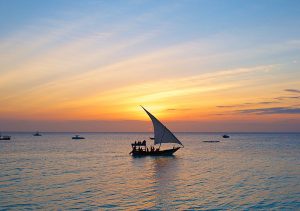
Dry Season (June – October):
Perfect for beach relaxation, diving, and snorkeling with crystal-clear waters and minimal rain.
Wet Season (November – May):
Expect occasional showers but fewer crowds and lower hotel rates ideal for a peaceful getaway and cultural exploration in Stone Town.
Best Time to Climb Mount Kilimanjaro
If you’re planning to conquer Africa’s highest peak, aim for the dry months:
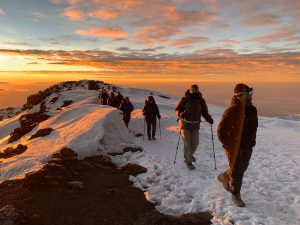
Late June to October, or January to February (short dry season)
These months offer clear views, mild temperatures, and the lowest rainfall, increasing your chances of a successful summit.
Other Factors to Consider
1. Personal Preferences
Do you prefer lush green scenery or dry golden plains? Busy tourist sites or peaceful isolation? Align your trip with what you enjoy most.
2. Budget
Traveling during peak months can be costly. For lower prices, consider shoulder or low seasons especially April and May when many lodges offer significant discounts.
3. Wildlife Priorities
For iconic safaris and easy animal sightings, go in the dry season. For birdwatching, calving, and unique migrations, the wet season shines.
4. Accommodation Availability
Popular destinations like Serengeti, Ngorongoro, and Zanzibar fill up quickly in high season. Booking early ensures the best locations and rates.
In Summary
There’s truly no bad time to visit Tanzania — only different experiences.
For classic safaris and clear skies – visit June to October.
For lush scenery, baby animals, and fewer crowds – travel November to May.
For beach bliss and diving – aim for the dry months.
For Kilimanjaro climbing – choose January–February or June–October.
No matter when you go, Tanzania promises breathtaking beauty, warm hospitality, and unforgettable adventures.