
Northern Tanzania
14,750 km²
Jun–Oct, Jan–Feb
3–5 days minimum
The other four are either too crowded, too steep, or too short for safe acclimatization. Marangu, Machame, and Lemosho are the three routes we climb with our clients — each for a different kind of traveler.
The decision is not "which route is best" but "which route is right for you." Comfort, scenery, summit success rate, and budget all factor in. Below is the honest comparison we share with every client.
"Most operators send first-timers to the central Serengeti year-round. That is fine — but knowing where the migration actually is in your travel month can completely change your experience."
The park was established in 1951 and is now Tanzania’s flagship reserve. It connects to Kenya’s Masai Mara to the north and the Ngorongoro Conservation Area to the southeast — together forming the wider Serengeti-Mara ecosystem.
The defining encounters — and a few specialist experiences that go beyond the standard game drive.
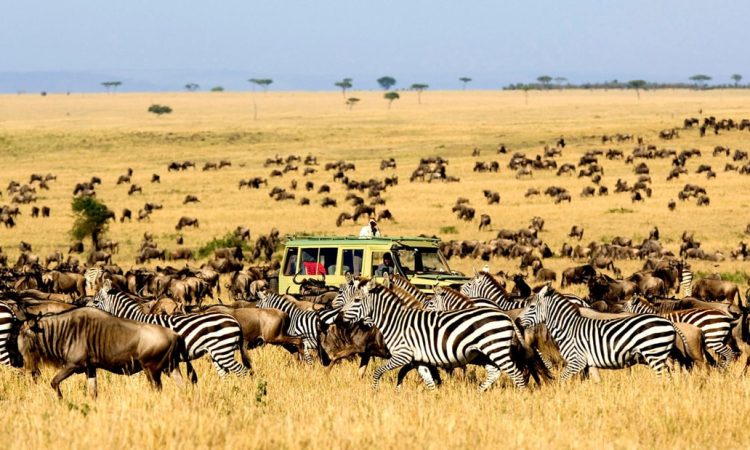
1.5 million wildebeest and 250,000 zebra moving in a circular pattern across the Serengeti-Mara ecosystem. River crossings (Jul–Oct), calving season (Feb), and the long marches in between.
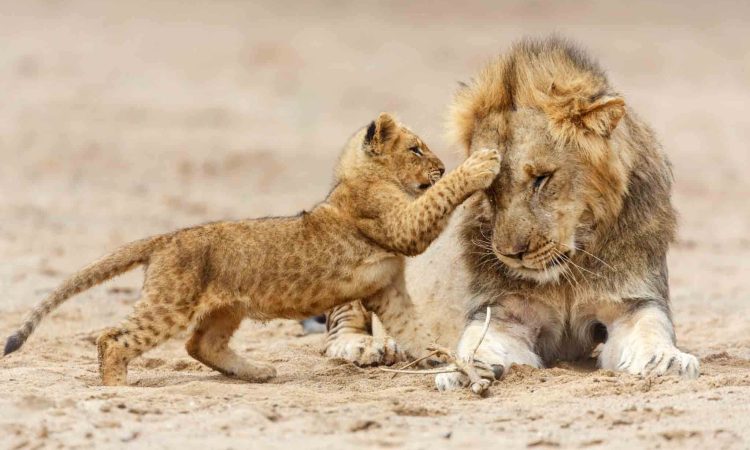
The Serengeti has the densest population of large predators in Africa — including 3,000+ lions across multiple resident prides. Cheetah sightings on the central plains are nearly daily in dry season.
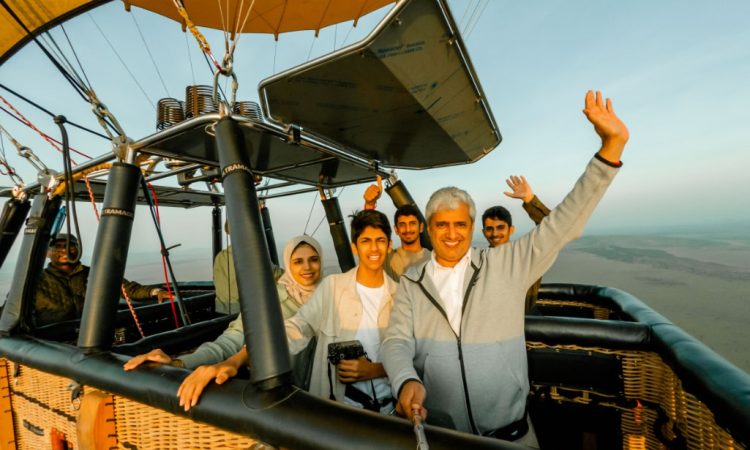
Sunrise flights over the plains, finishing with a full champagne breakfast in the bush. The most popular "once in a lifetime" upgrade. $550–$650 per person.
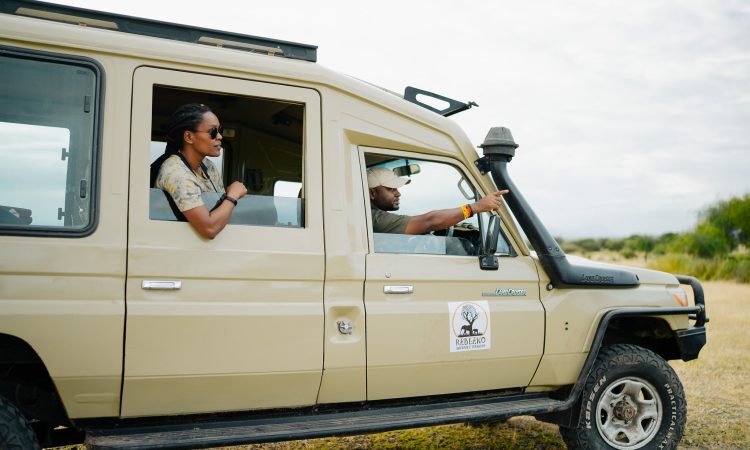
Custom 4x4 vehicles with pop-up roofs. Morning drives (06:00–11:00) and afternoon drives (15:30–18:30) are when the wildlife is most active. Most lodges include 2 drives per day.
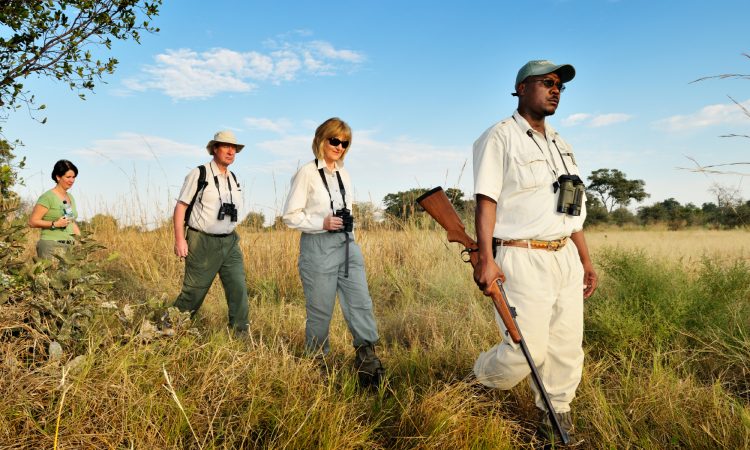
Available with armed ranger escorts in certain Serengeti concessions. A completely different perspective — tracking, smaller wildlife, the sounds of the bush. Half-day walks $100–$150 per person.
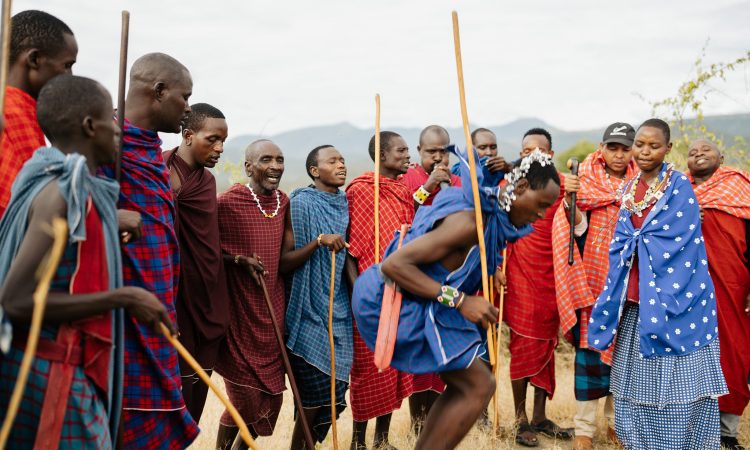
Optional cultural visits to Maasai communities on the park boundaries. We work with villages that genuinely welcome visitors rather than tourist-trap setups. Half-day, $30–$50 per person.
There is no "bad" time to visit — but each month has trade-offs. Below is an honest seasonal breakdown based on wildlife viewing, weather, crowds, and price.
| Month | Wildlife | Weather | Crowds | Migration Location |
|---|---|---|---|---|
|
Jan – FebCalving
|
●●●●●
|
Warm, occasional rain
|
Medium
|
Southern Plains (calving season)
|
|
Mar – MayLong rains
|
●●●
|
Heavy rain, muddy roads
|
Very low
|
Central Serengeti
|
|
JunStart of dry
|
●●●●
|
Pleasant, cool nights
|
Medium
|
Central / Western Corridor
|
|
Jul – OctRiver crossings
|
●●●●●
|
Dry, cool, perfect
|
High (Aug–Sep peak)
|
Northern Serengeti (Mara River)
|
|
NovShort rains
|
●●●
|
Brief afternoon rains
|
Low
|
Heading south
|
|
DecMigration south
|
●●●●
|
Warm, fresh, occasional rain
|
High (holidays)
|
Southern Plains
|
Best overall: July–October for river crossings, February for calving
Best value: June and November — great wildlife, lower prices, fewer crowds
Avoid: April (heaviest rain) unless seeking solitude over wildlife density
Three accommodation tiers, each with very different experiences. Most clients spend 3–5 nights in the Serengeti split between camps in different regions to maximize wildlife exposure.
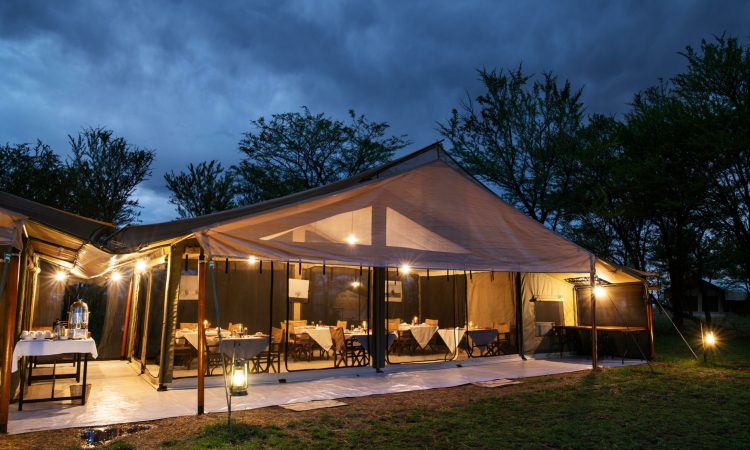
Permanent tented camps with proper beds, en-suite bathrooms, shared lounge and dining areas. The most popular tier for first-time visitors — comfortable but authentic, with the canvas walls between you and the bush. Most include 2 game drives per day, all meals, and park fees.
Mbuzi Mawe Camp · Serengeti Sopa Lodge · Lemala Ewanjan · Kati Kati Camp
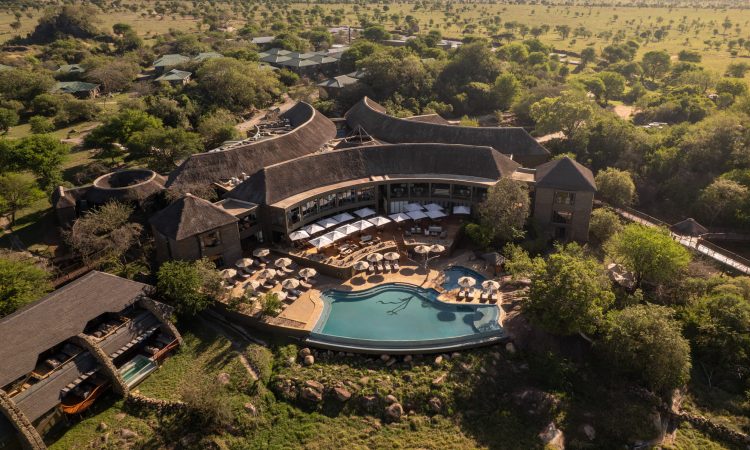
Top-tier permanent camps with private decks, plunge pools, dedicated guides, and exceptional cuisine. Honeymoon-ready properties with full butler service. Often in private concessions adjacent to the park boundaries — fewer vehicles, more space, better wildlife guarantees.
Four Seasons · Singita Sasakwa · Sayari Camp · Namiri Plains
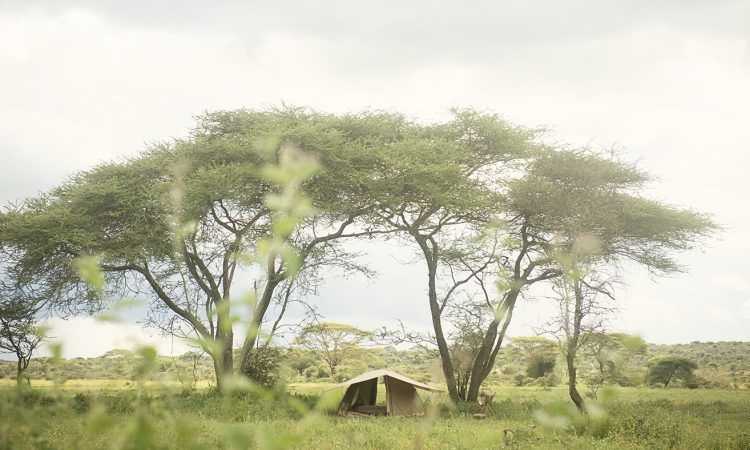
Mobile camping (we set up tents each night, dismantle in the morning) follows the wildlife and migration more closely than fixed lodges. Public campsites are the most authentic budget option — basic facilities, full bush experience. Best for younger travelers and adventurous families.
Serengeti Mobile Camp · Wayo Walking Camp · Public Campsite + crew
Our recommendation: Split your Serengeti nights across 2 different camps in different regions to maximize wildlife variety. We can mix-and-match tiers (e.g., 2 nights mid-range + 2 nights luxury) within a single trip.
Three Rebleko trips that include the Serengeti. Each adjusts to your dates, group size, and budget.
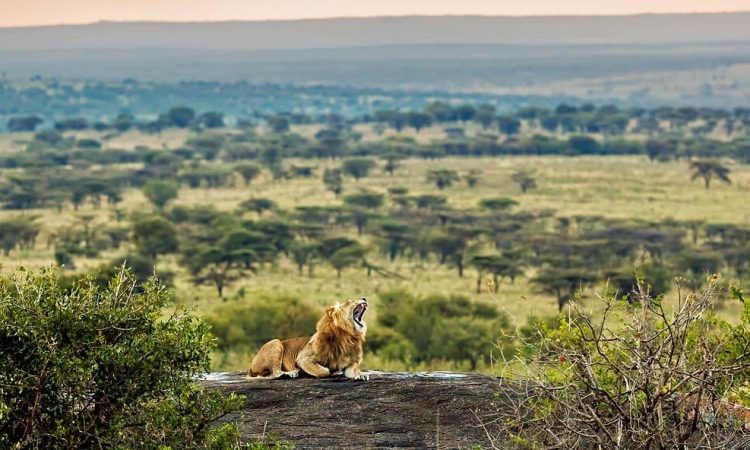
The calving season at Ndutu — 400,000 newborn wildebeest and the densest predator action of the year. From Zanzibar.
Per person
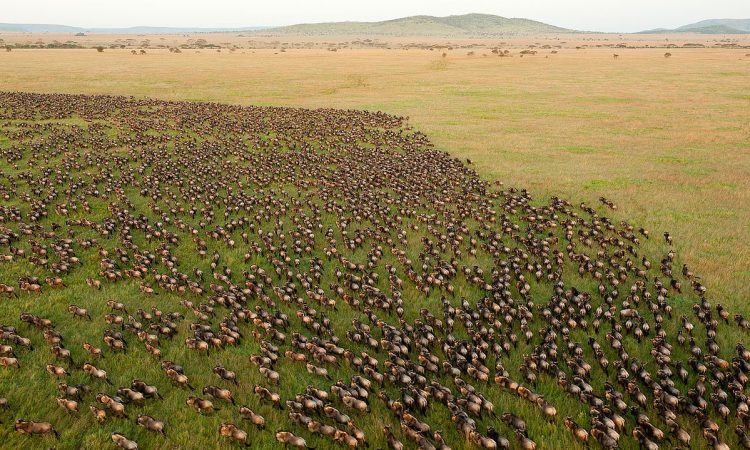
The shortest safari that reaches the actual Serengeti. Bush flight from Arusha included.
Per person
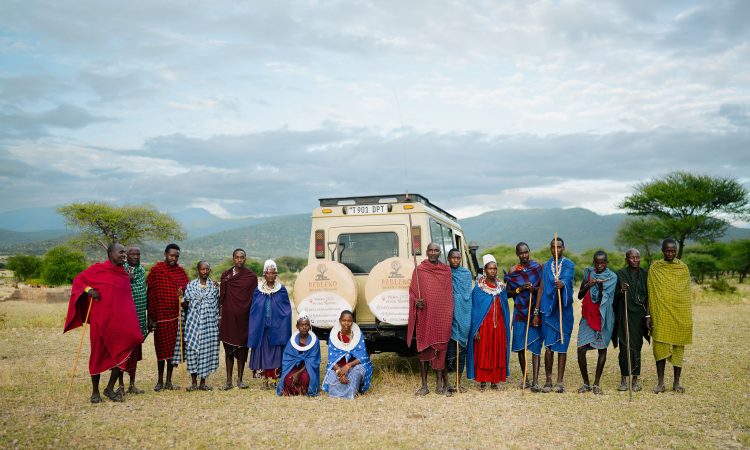
The four flagship northern parks. Adds Lake Manyara to the classic itinerary, with a slower pace throughout.
Per person
By road: 8–9 hour drive from Arusha via Ngorongoro Crater. Most safaris use this route, seeing wildlife along the way.
By air: 1-hour bush flight from Arusha to one of the Serengeti's 7 airstrips (Seronera, Kogatende, Grumeti, etc.). Best for premium itineraries.
Minimum: 3 nights in the Serengeti — anything less and you've travelled too far for too short an experience.
Ideal: 4–6 nights split between 2 regions. Migration trips benefit from 6–8 nights to move with the herd.
The Serengeti pairs naturally with Ngorongoro Crater (the same drive route), Tarangire and Lake Manyara for a complete Northern Circuit.
For beach recovery, Zanzibar is 1 hour by flight. For chimps, add Mahale on the western side.
Visa: Tanzania e-Visa or visa-on-arrival ($50 USD for most nationalities). Cash: USD widely accepted in lodges; smaller notes for tips.
Health: Malaria prophylaxis recommended; yellow fever vaccination if arriving from yellow fever countries.
Personalized planning around the migration's actual location during your travel month, your group's pace, and your budget. Reply within 4 business hours.
Four short fields. Judith reads every one personally.
We use cookies to improve your experience on our site. By using our site, you consent to cookies.
Manage your cookie preferences below:
Essential cookies enable basic functions and are necessary for the proper function of the website.
These cookies are needed for adding comments on this website.
Google reCAPTCHA helps protect websites from spam and abuse by verifying user interactions through challenges.