
Northern Tanzania
~260 km²
Year-round
1–2 days
The Ngorongoro Crater is a collapsed volcano whose floor now holds one of the highest concentrations of wildlife in Africa. The caldera is around 260 km² and roughly 600 metres deep, forming a natural enclosure where animals stay year-round.
Because the wildlife is concentrated and the crater walls keep many animals inside, this is one of the few places with a realistic chance of seeing lion, elephant, buffalo, leopard, and the endangered black rhino in a single day.
An early descent is everything here. Reaching the floor before the day fills up is the difference between a crowded loop and a private morning with the wildlife.
The crater sits within the wider Ngorongoro Conservation Area, a UNESCO World Heritage Site where Maasai communities live alongside the wildlife. Nearby Olduvai Gorge is one of the most important early-human sites in the world.
What the crater offers beyond a single descent.
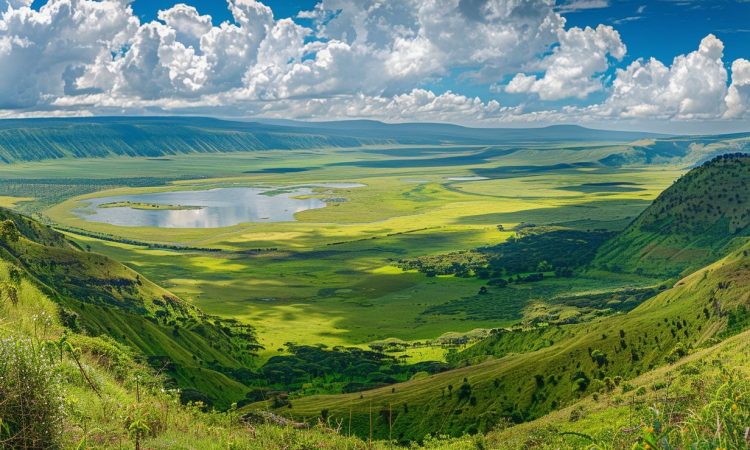
Grassland, soda lakes, and forest packed into a self-contained world below the rim, with around 25,000 large animals resident year-round.
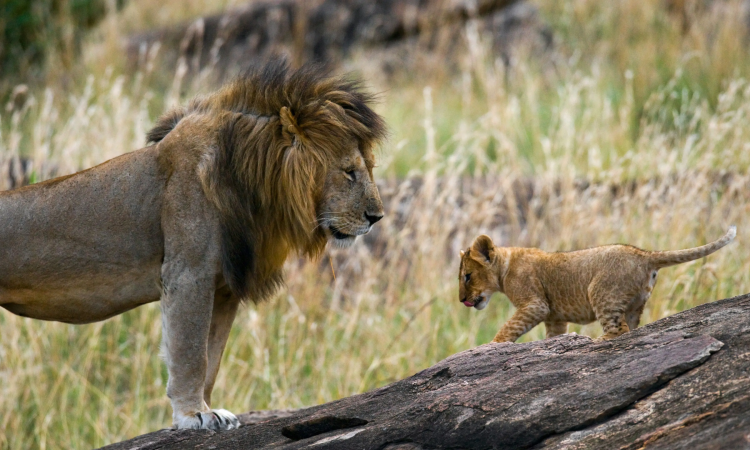
A realistic chance of lion, elephant, buffalo, leopard, and the rare black rhino on a single descent — unusual anywhere in Africa.
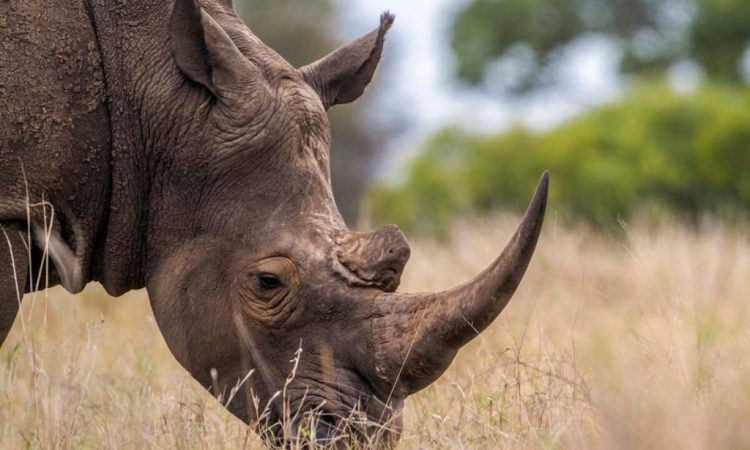
One of the better places in Tanzania to see this endangered animal, with a small protected population on the crater floor.
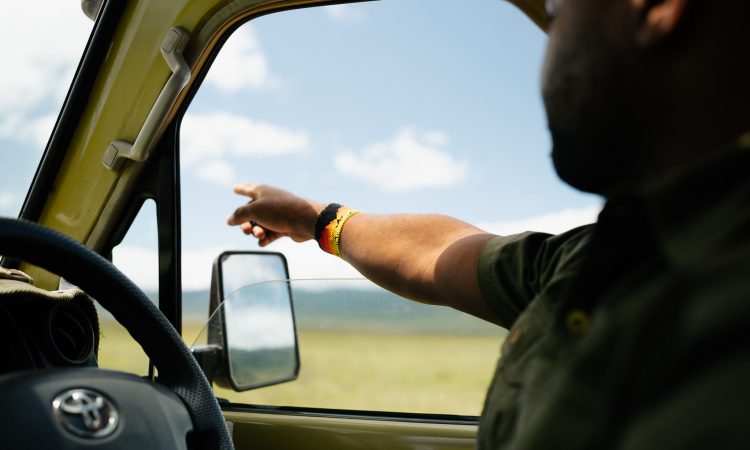
A descent down the access road into the caldera for a half- or full-day drive on the floor, returning to a rim or Karatu lodge.
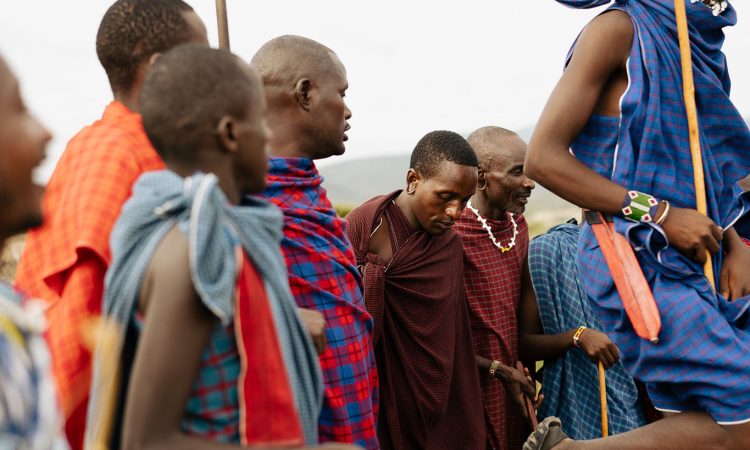
Respectful visits to Maasai communities living within the conservation area, arranged with villages that genuinely welcome guests.
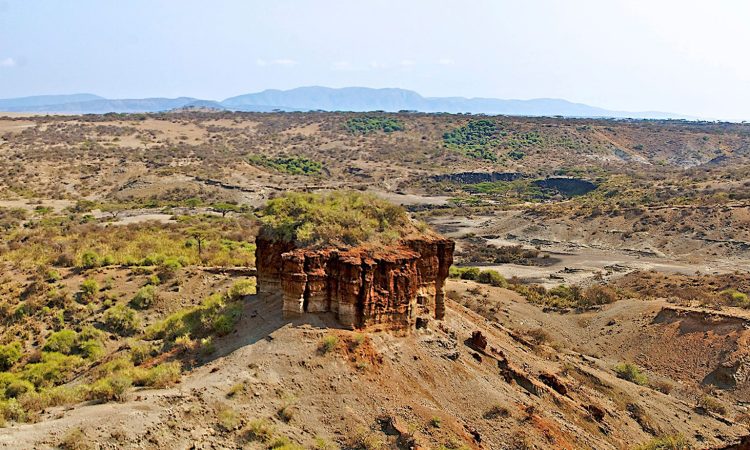
An optional stop at one of the world's most significant early-human archaeological sites, with a small site museum.
There is no bad time to visit — but each month has trade-offs. An honest seasonal breakdown by wildlife, weather, crowds, and price.
| When | Wildlife | Weather | Crowds | Where / Notes |
|---|---|---|---|---|
|
Jun–Oct / Dry
|
●●●●●
|
Cool, clear, dry
|
High
|
Easy roads, concentrated game
|
|
Nov–Dec / Short rains
|
●●●●
|
Green, brief showers
|
Medium
|
Fewer vehicles
|
|
Jan–Feb / Drier spell
|
●●●●
|
Warm, pleasant
|
Medium
|
Good viewing
|
|
Mar–May / Long rains
|
●●●
|
Wet, lush
|
Low
|
Quiet, lower prices
|
Best overall: June–October for clear air and easy roads
Best value: November and the January–February window — good viewing, fewer crowds
Avoid: Nothing outright; April is wettest but still rewarding
Stay on the rim for early access, or in Karatu town just below. Most travellers spend one night nearby.
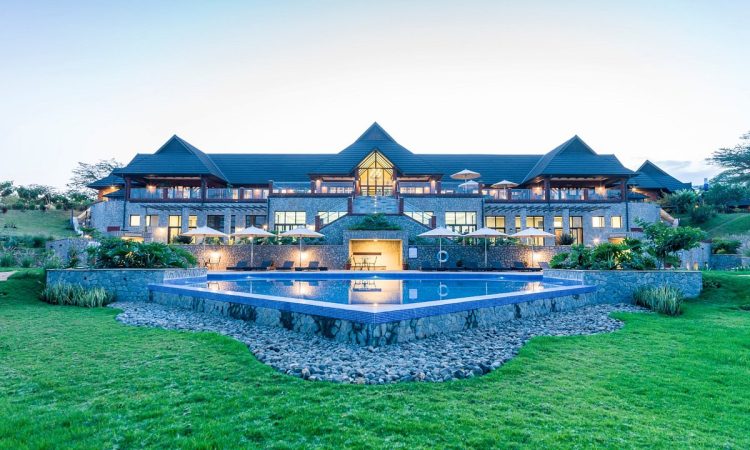
Comfortable lodges in Karatu town and near the rim, a short drive from the descent road. Reliable guiding and good value for a one-night stop.
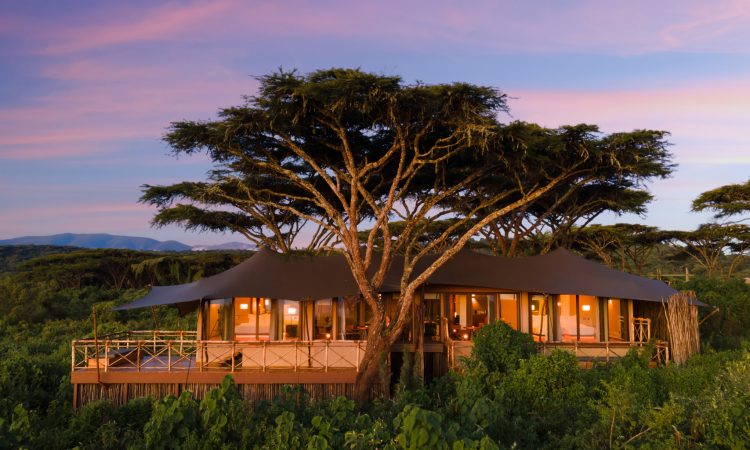
Premium lodges perched on the crater rim with direct views into the caldera, high service, and the shortest morning descent.
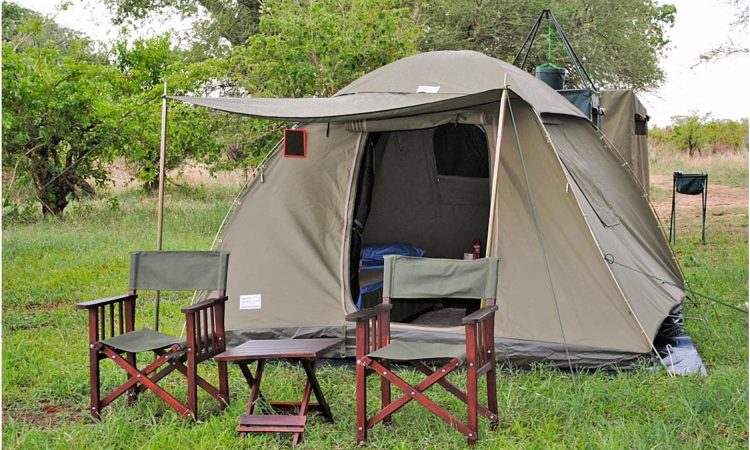
Simpler guesthouses in Karatu and a rim campsite for adventurous travellers, with the same early descent the next morning.
Our recommendation: Stay on or near the rim and descend at gate-opening. The first hour on the floor is the quietest and often the most productive.
Three Rebleko trips that include the Ngorongoro Crater. Each adjusts to your dates, group size, and budget.
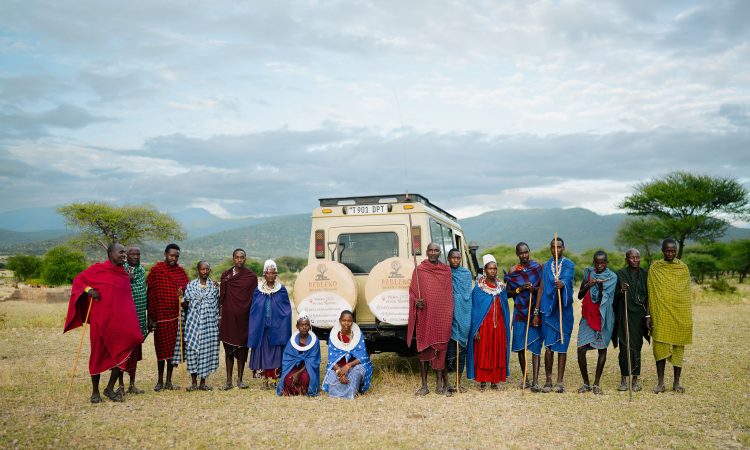
The four flagship northern parks. Adds Lake Manyara to the classic itinerary, with a slower pace throughout.
Per person
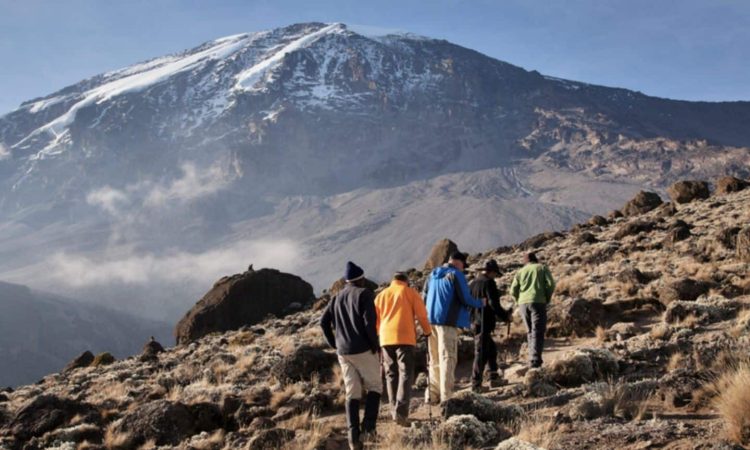
Climb Kilimanjaro by Lemosho, then recover on a 3-day Northern Circuit safari. The trip climbers wish they'd booked.
Per person
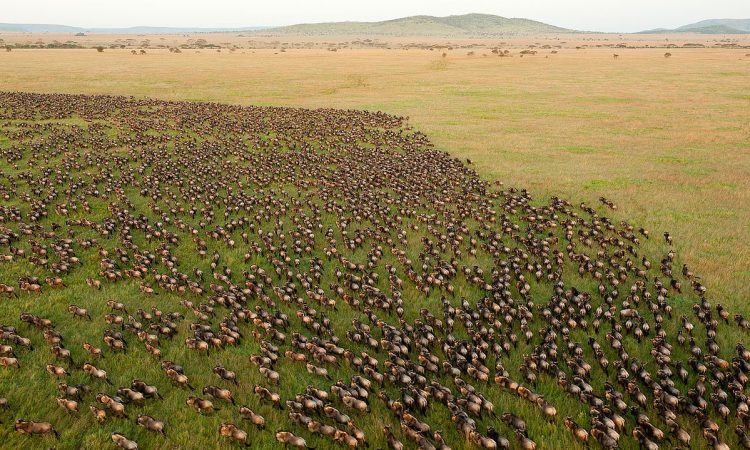
The shortest safari that reaches the actual Serengeti. Bush flight from Arusha included.
Per person
By road: about 3–4 hours from Arusha, or as a stop en route to or from the Serengeti. The descent road into the crater is managed and your guide handles the timed permit.
A full morning to a full day on the crater floor, with one night nearby on the rim or in Karatu. The crater is intense but compact.
Lake Manyara and Tarangire on the way in; the Serengeti beyond the highlands. The crater fits naturally into any Northern Circuit route.
Visa: Tanzania e-Visa or visa-on-arrival (about $50 USD for most nationalities). Cash: USD accepted in lodges; small notes for tips. Health: malaria prophylaxis recommended; yellow fever certificate if arriving from a yellow-fever country.
It is possible and happens often, though never guaranteed. The crater offers one of the best chances in Africa, especially for the black rhino.
We will time your descent for an early, uncrowded start and build the crater into a route that flows. Reply within 4 business hours.
Four short fields. Judith reads every one personally.
We use cookies to improve your experience on our site. By using our site, you consent to cookies.
Manage your cookie preferences below:
Essential cookies enable basic functions and are necessary for the proper function of the website.
These cookies are needed for adding comments on this website.
Google reCAPTCHA helps protect websites from spam and abuse by verifying user interactions through challenges.